المحتويات
مقال
What comes next for the Magnificent 7 as the Fed steps aside
January 29, 2026
مقال
What comes next for the Magnificent 7 as the Fed steps aside
January 29, 2026
مقال
What comes next for the Magnificent 7 as the Fed steps aside
January 29, 2026

What comes next for the Magnificent 7 is less about whether growth can continue and more about how sustainable that growth really is. The Federal Reserve’s decision to keep rates unchanged at 3.50–3.75%, following 175 basis points of cuts since September 2024, removes an important source of support for large-cap technology stocks that have thrived on easing financial conditions.
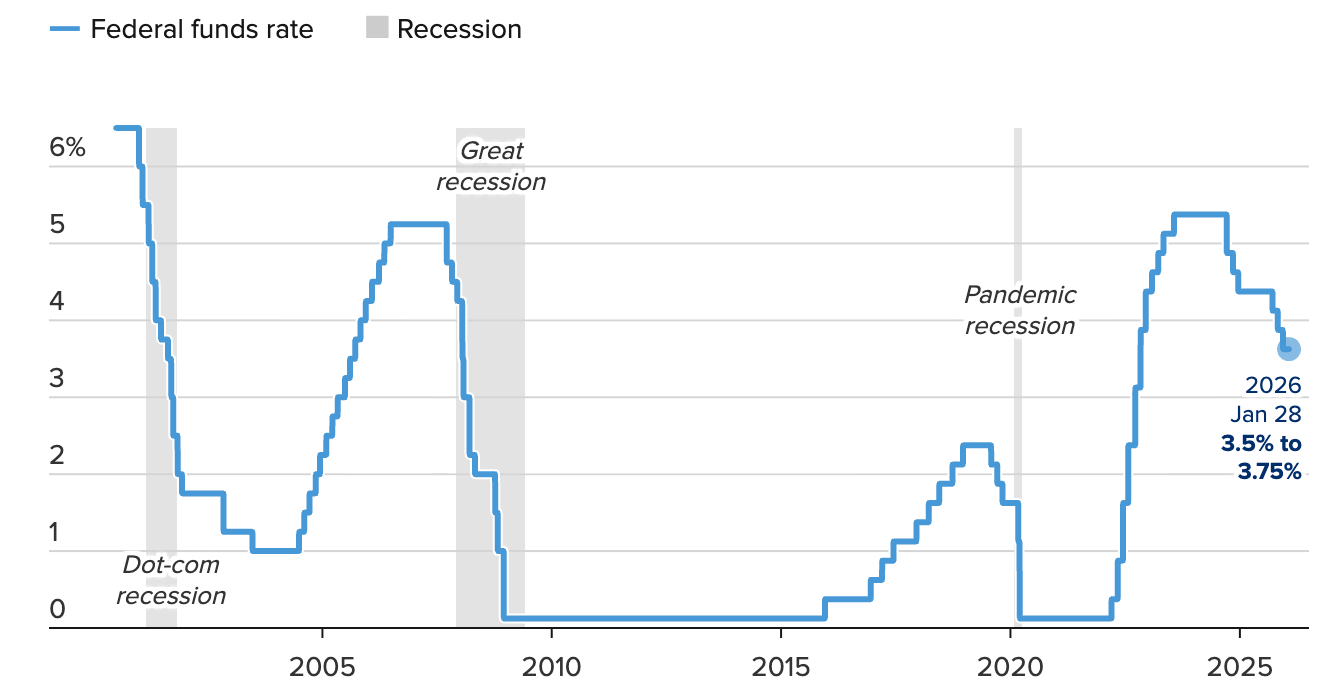
With inflation still described as “somewhat elevated”, policymakers made it clear that further rate relief is no longer guaranteed. That message landed just as Microsoft, Meta, and Tesla released earnings that highlighted both the scale of AI-driven growth and the rising costs required to sustain it.
Results generally beat expectations, but surging capital expenditure and tighter margin scrutiny kept enthusiasm in check. Rather than celebrating growth alone, markets appear increasingly focused on execution, efficiency, and whether returns can keep pace with ambition.
What’s driving the magnificent 7?
At the macro level, the Fed’s pause has altered the investment landscape. Officials pointed to steady economic expansion heading into 2026, with labour markets showing signs of stabilisation and inflation still above target. Two policymakers voted in favour of a small cut, but the overall decision reflected patience rather than urgency. For equity investors, that implies rates may remain restrictive for longer, especially for high-growth names.
At the company level, artificial intelligence remains the defining force shaping strategy. Microsoft lifted capital spending by 66% year on year to $37.5 billion, while Meta increased its fiscal 2026 capex outlook to as much as $135 billion. These are not short-term adjustments. They signal that AI has become foundational infrastructure, requiring sustained investment regardless of shifts in market sentiment.
Why it matters
The market’s reaction to earnings offered an important signal. Microsoft reported earnings of $4.14 per share, comfortably ahead of expectations, yet its shares slipped in after-hours trading. Azure revenue landed slightly below forecasts, and attention quickly turned to the scale of future AI commitments rather than current profitability.
That shift reflects a tougher market mindset. “The AI build-out phase is now priced in. What investors want to see is monetisation,” said Wedbush analyst Dan Ives, highlighting how capital discipline is becoming a key differentiator. For the Magnificent 7, size and dominance alone may no longer be enough to sustain premium valuations.
Impact on markets and the AI ecosystem
Market performance following the earnings releases was mixed. The Nasdaq struggled to break convincingly above record levels, while Dow futures softened under pressure from Microsoft’s decline. Nvidia, widely viewed as a bellwether for AI demand, edged lower in extended trading but remained technically supported, suggesting consolidation rather than a loss of confidence.
The knock-on effects extended beyond equities. Gold and silver strengthened as investors sought protection against valuation risk and policy uncertainty, while oil prices rose on expectations that expanding data centre infrastructure will continue to drive energy demand. The investment decisions of the Magnificent 7 are now shaping trends across multiple asset classes.
Expert outlook
Looking ahead, analysts suggest the next phase for the Magnificent 7 will depend on whether heavy AI investment can translate into durable profitability. Tesla’s latest results captured this balance. Earnings exceeded forecasts, but revenue disappointed, and management outlined plans to lift capital spending beyond $20 billion in 2026, more than double last year’s outlay. Ambition remains intact, but tolerance for prolonged spending may be tested.
Several key signals are approaching. Nvidia’s upcoming earnings will offer insight into the strength of AI demand across the supply chain, while fresh inflation data will help shape expectations for the March 17–18 FOMC meeting.
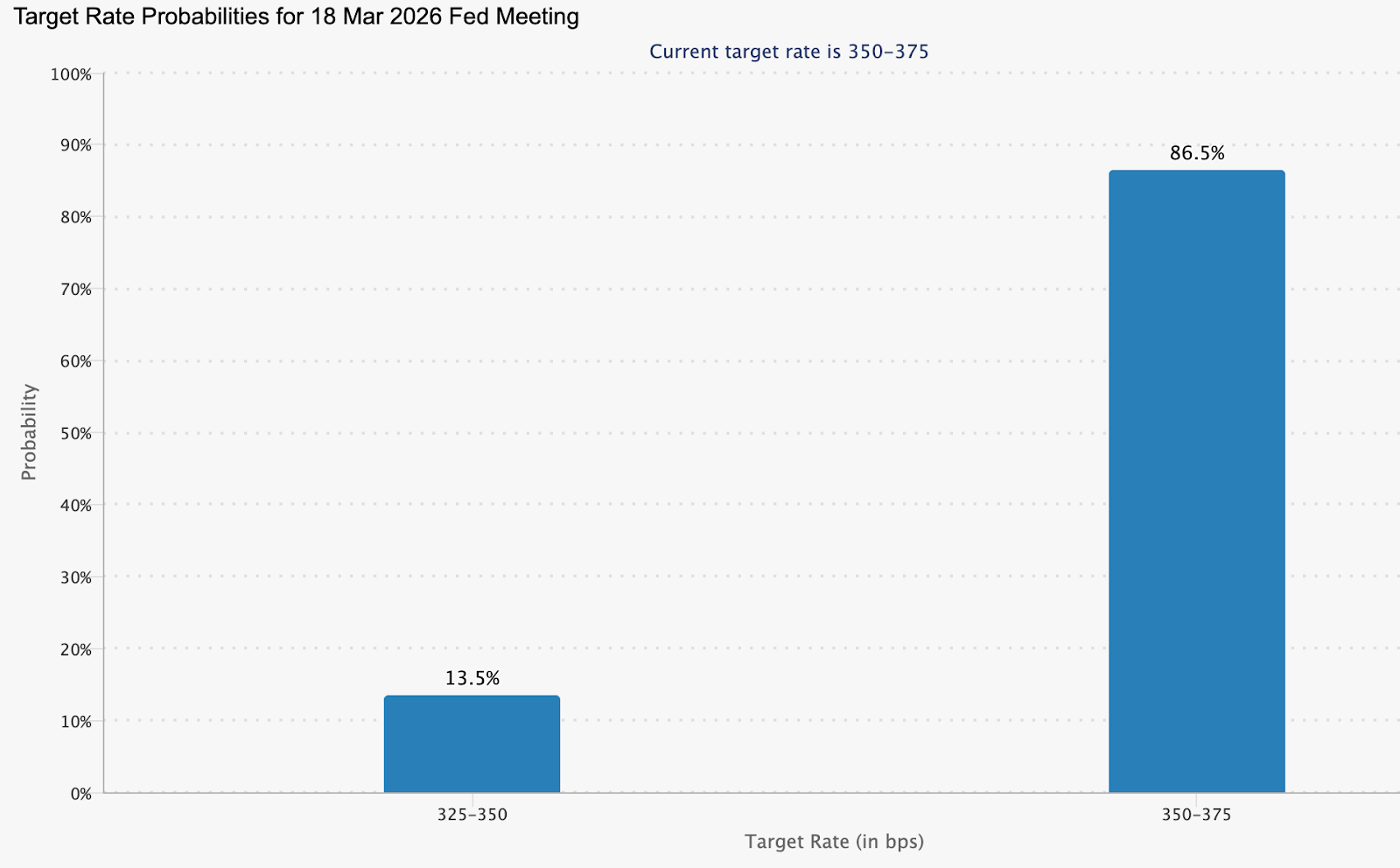
With rates on hold and capital costs no longer falling, the Magnificent 7 are entering a phase where performance will be driven by returns rather than narrative momentum.
Key takeaway
The Fed’s pause has shifted attention away from growth at any cost and towards sustainability. AI continues to underpin the Magnificent 7’s long-term story, but the price of leadership is rising. Investors are beginning to scrutinise how effectively capital is being deployed. What comes next will hinge on whether earnings can keep pace with ambition in a higher-for-longer rate environment.
إخلاء مسؤولية:
The information contained on the Deriv Market News is for educational purposes only and is not intended as financial or investment advice. The information may become outdated, and some products or platforms mentioned may no longer be offered. We recommend you do your own research before making any trading decisions. The performance figures quoted refer to the past, and past performance is not a guarantee of future performance or a reliable guide to future performance.
الأسئلة الشائعة
Why did the Fed’s pause matter for the Magnificent 7?
Why did Microsoft shares fall despite an earnings beat?
Is AI spending becoming a risk for big tech?
What role does Nvidia play in this outlook?
What should investors watch next?


