المحتويات
مقال
US stocks bull run rests on jobs, not optimism
December 24, 2025
مقال
US stocks bull run rests on jobs, not optimism
December 24, 2025
مقال
US stocks bull run rests on jobs, not optimism
December 24, 2025
%20(1)%20(1).webp)
Global markets continue to grind higher, and this rally is being underpinned by more than positive sentiment. Record equity levels, firm commodity prices, and a softer US dollar all point back to one core driver: confidence in US economic fundamentals, with labour market data firmly in the spotlight.
As investors look ahead to the next US jobs report, recent price action across asset classes suggests markets believe growth can remain durable even as monetary conditions gradually shift. The message is consistent - the expansion is slowing, but it is not breaking.
What’s driving the Fed’s hawkish cut narrative?
Market pricing increasingly reflects a belief that the US Federal Reserve can begin easing policy without undermining economic stability. Solid macroeconomic readings, particularly from the labour market, have given policymakers greater flexibility to support growth while keeping inflation expectations anchored.
Rather than anticipating sharp or urgent rate cuts, investors are preparing for a measured and deliberate adjustment cycle. That outlook has helped suppress bond market volatility, even as equities and other risk-sensitive assets extend their gains.
Why it matters
Recent data confirms that US employment remains the backbone of the current bull run. A resilient jobs market continues to support household spending, preserve corporate profitability, and reinforce business confidence at a time when borrowing costs remain elevated.
As long as hiring conditions hold up, markets have a fundamental justification to remain constructive. Even with pockets of inflation pressure lingering, steady employment provides the economic buffer needed to sustain risk appetite across global markets.
Impact on markets, businesses, and consumers
Stocks: confidence at record highs
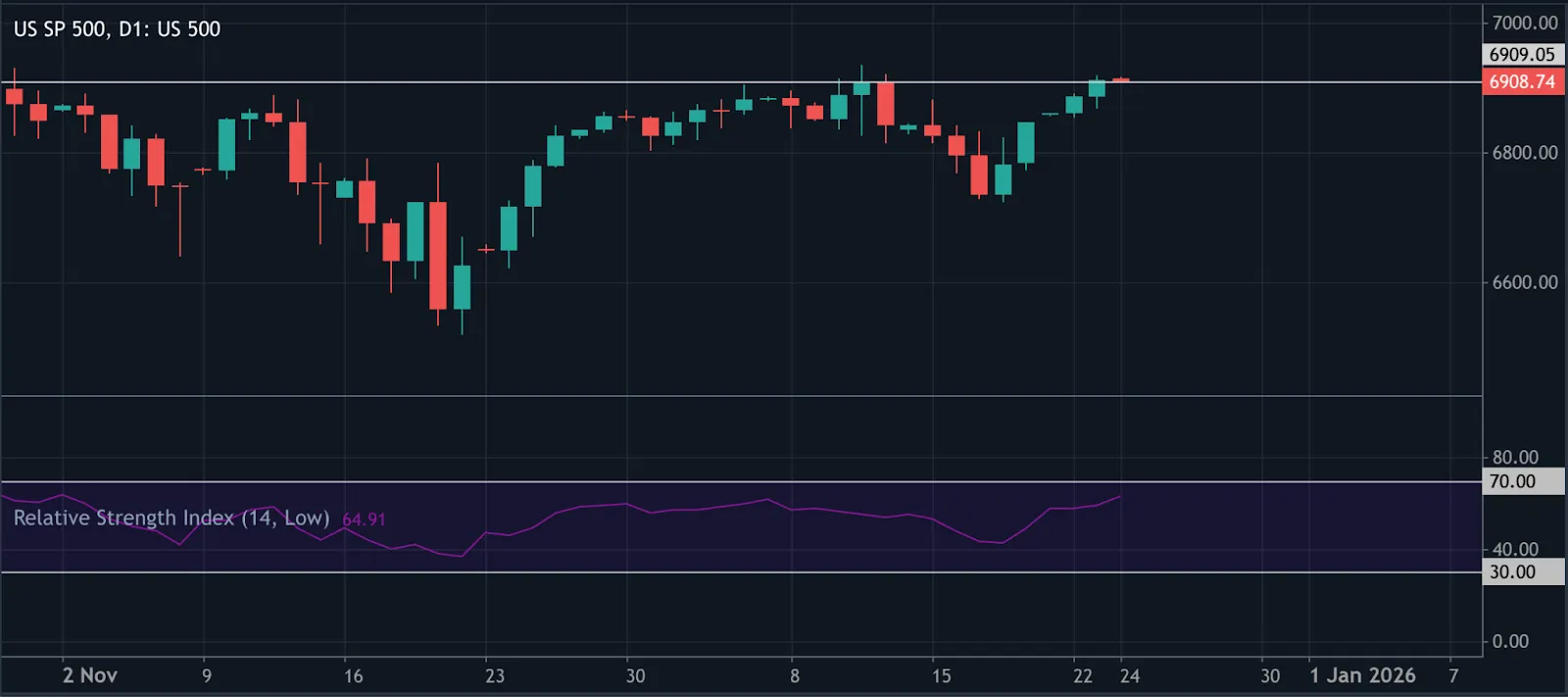
The S&P 500 has pushed to fresh record levels, led primarily by growth stocks. This reflects investor confidence that earnings can remain resilient in a stable, slower-growth environment. Capital continues to flow toward companies positioned to benefit from long-term investment trends and economic durability.
Corporates & M&A: dealmakers stay busy
Heightened merger and acquisition activity, including competitive bids involving Warner Bros, highlights sustained confidence within corporate boardrooms. Large transactions tend to surface only when balance sheets are strong and future revenue visibility looks dependable.
This persistence in dealmaking reinforces the view that corporate America remains broadly optimistic about the medium-term economic outlook, despite tighter financial conditions.
Technology: AI demand remains intact
Reports that Nvidia plans to begin H200 chip shipments to China by mid-February underscore ongoing demand for artificial intelligence infrastructure. Even amid regulatory complexity, capital expenditure tied to AI continues to serve as a powerful structural growth driver, and markets are responding accordingly.
Currencies: the dollar loses momentum
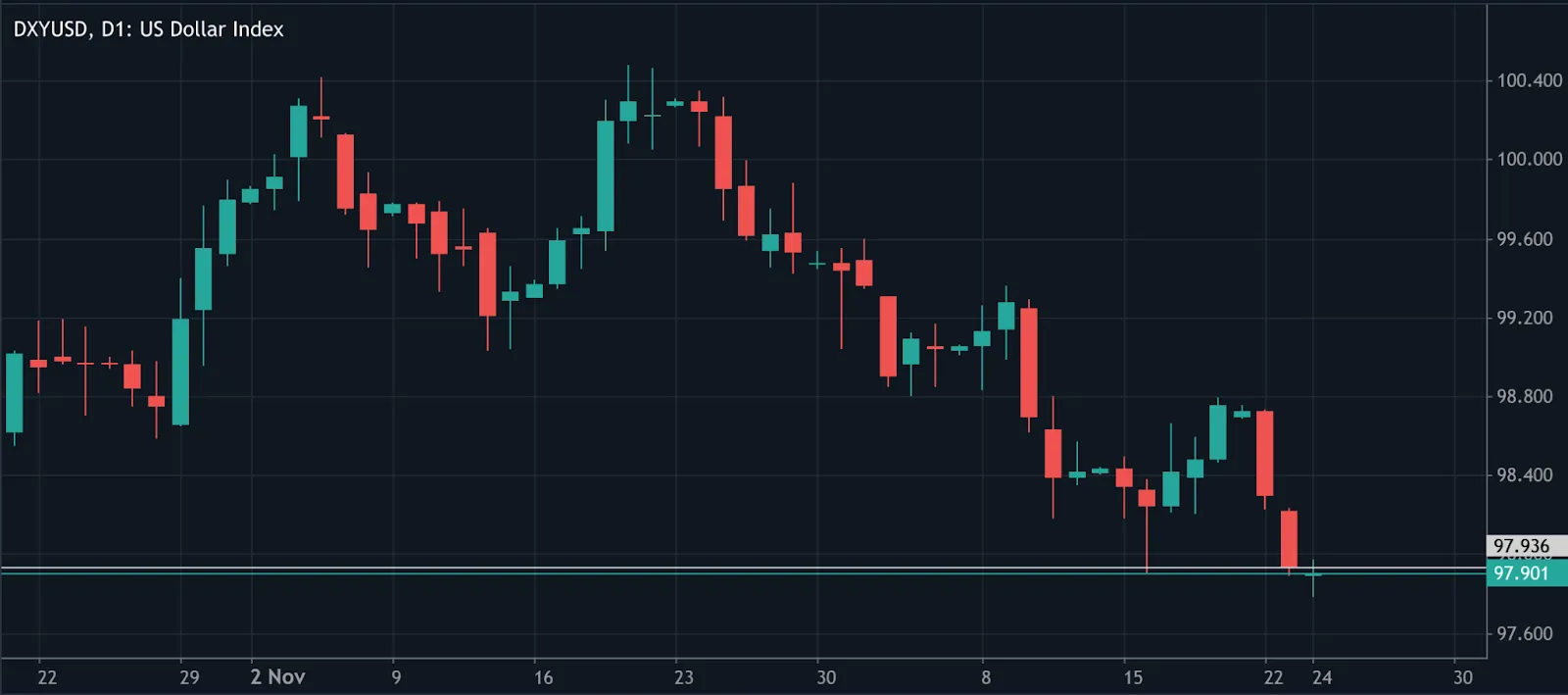
The US dollar’s sharp decline, its steepest since 2017, signals that markets are looking beyond peak interest rates. As expectations shift from restrictive policy toward gradual easing, capital has rotated into risk assets, commodities, and non-dollar exposure, reinforcing broader risk-on behaviour.
Commodities are sending a parallel signal
Commodity markets are not merely rising - they are breaking into record territory. Gold has surged above $4,500 per ounce for the first time, while platinum has climbed beyond $2,300 amid tightening global supply conditions.
Market observers note that these moves reflect positioning for an environment where growth remains intact, but inflation risks and supply constraints persist. A weaker dollar, strategic hedging, and firm industrial demand are all reinforcing strength across metals.
Expert outlook: All eyes on jobs
Market positioning continues to favour economic resilience, but upcoming US employment data will be critical in confirming that narrative. Another strong jobs report would reinforce confidence in the sustainability of the rally.
A softer print, however, could challenge assumptions around growth momentum and force a reassessment of risk exposure. For now, labour market stability remains the key variable guiding sentiment.
Key takeaway
This bull run is not being fuelled by speculation alone. It rests on tangible US economic strength, with employment data acting as the primary anchor for investor confidence. As long as job creation holds up, markets have room to stay constructive. The next employment report will be pivotal in determining whether this momentum carries forward.
Let's analyse the EURUSD chart, which is among the most popular dollar pairs to trade.
EUR/USD technical insights
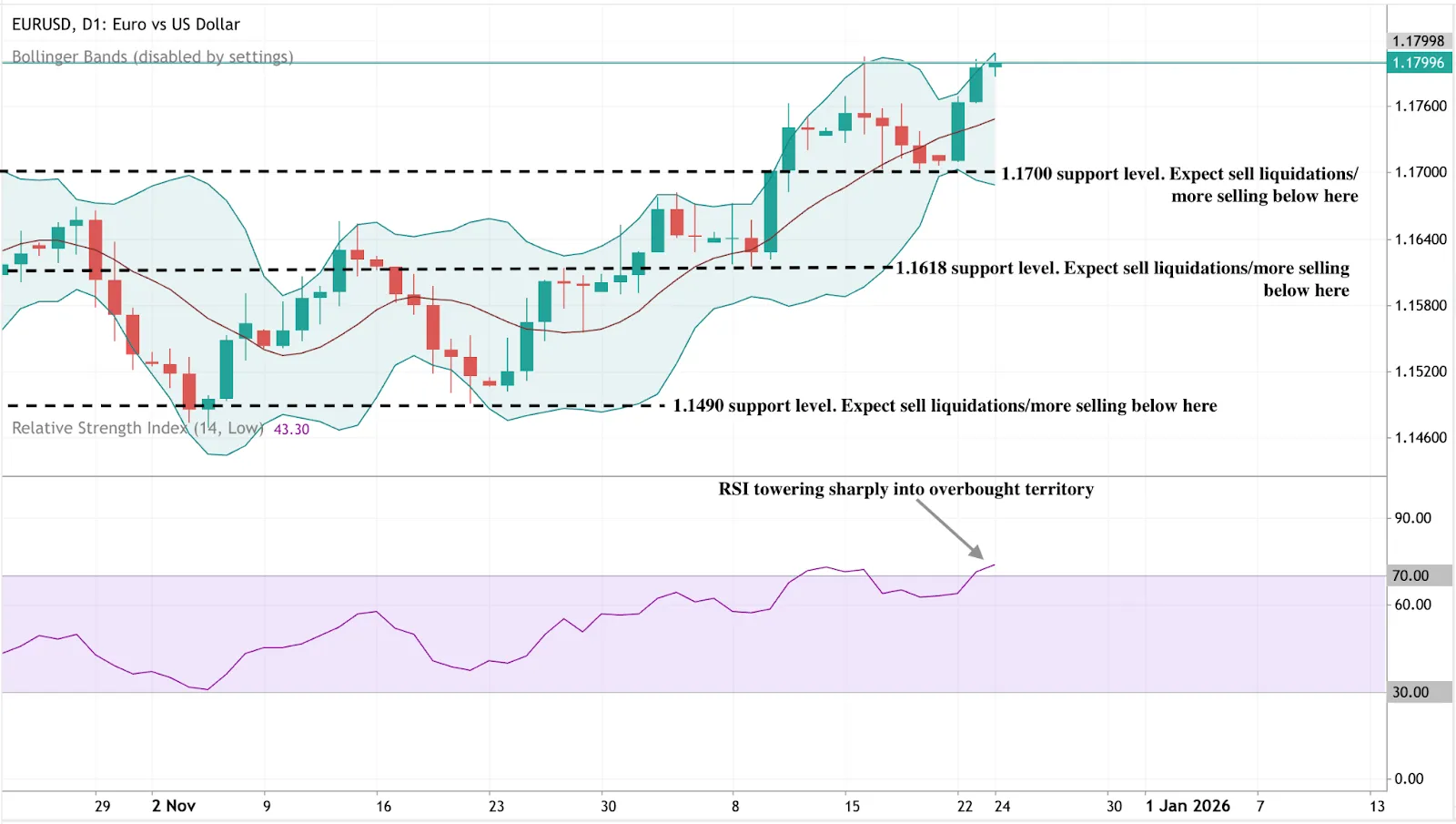
EUR/USD continues to trade constructively, with price action holding near the upper Bollinger Band. This reflects strong upside momentum, although stretched conditions suggest volatility may remain elevated. The widening bands indicate increasing price swings, even as bullish control remains in place.
Initial support sits at 1.1700, followed by 1.1618 and 1.1490. A sustained move back toward the Bollinger mid-band would raise the risk of a deeper pullback. Momentum remains hot, with the RSI deep in overbought territory, signalling that gains may pause without consolidation.
إخلاء مسؤولية:
The performance figures quoted are not a guarantee of future performance.
الأسئلة الشائعة
Why are US stocks rising despite high interest rates?
What does a “hawkish cut” from the Fed mean?
Why is US employment so important for markets?
How does a weaker US dollar affect global markets?
Are record commodity prices a warning sign?


