المحتويات
مقال
Bitcoin under pressure: Fear takes hold as ETF outflows deepen
November 21, 2025
مقال
Bitcoin under pressure: Fear takes hold as ETF outflows deepen
November 21, 2025
مقال
Bitcoin under pressure: Fear takes hold as ETF outflows deepen
November 21, 2025
.webp)
Bitcoin is under pressure again. According to analysts, the world’s largest cryptocurrency has fallen almost 30% since its October peak, sliding toward key support zones as exchange-traded fund outflows and macroeconomic stress combine to sap confidence.
Nearly $3 billion has left Bitcoin ETFs this month, turning the institutional enthusiasm that powered the previous rally into a wave of redemptions.
The selloff reflects a mix of fading hopes for Fed rate cuts, a stronger US dollar, and a market gripped by “extreme fear.” With Bitcoin hovering near $85,600 and the $74,000 one-year low looming, traders are debating whether this is a healthy reset - or the start of something far heavier.
What’s Driving Bitcoin’s Correction
Bitcoin’s 30% decline has less to do with the crisis and more to do with mechanics. After two years of relentless inflows, the same ETF structures that helped stabilise Bitcoin’s rise are now amplifying its fall. Institutional investors, once praised for bringing maturity to the market, have become a source of volatility as capital exits at speed.
According to Farside Investors, redemptions have occurred in all but four trading sessions this month, resulting in a total of nearly $3 billion in withdrawals.
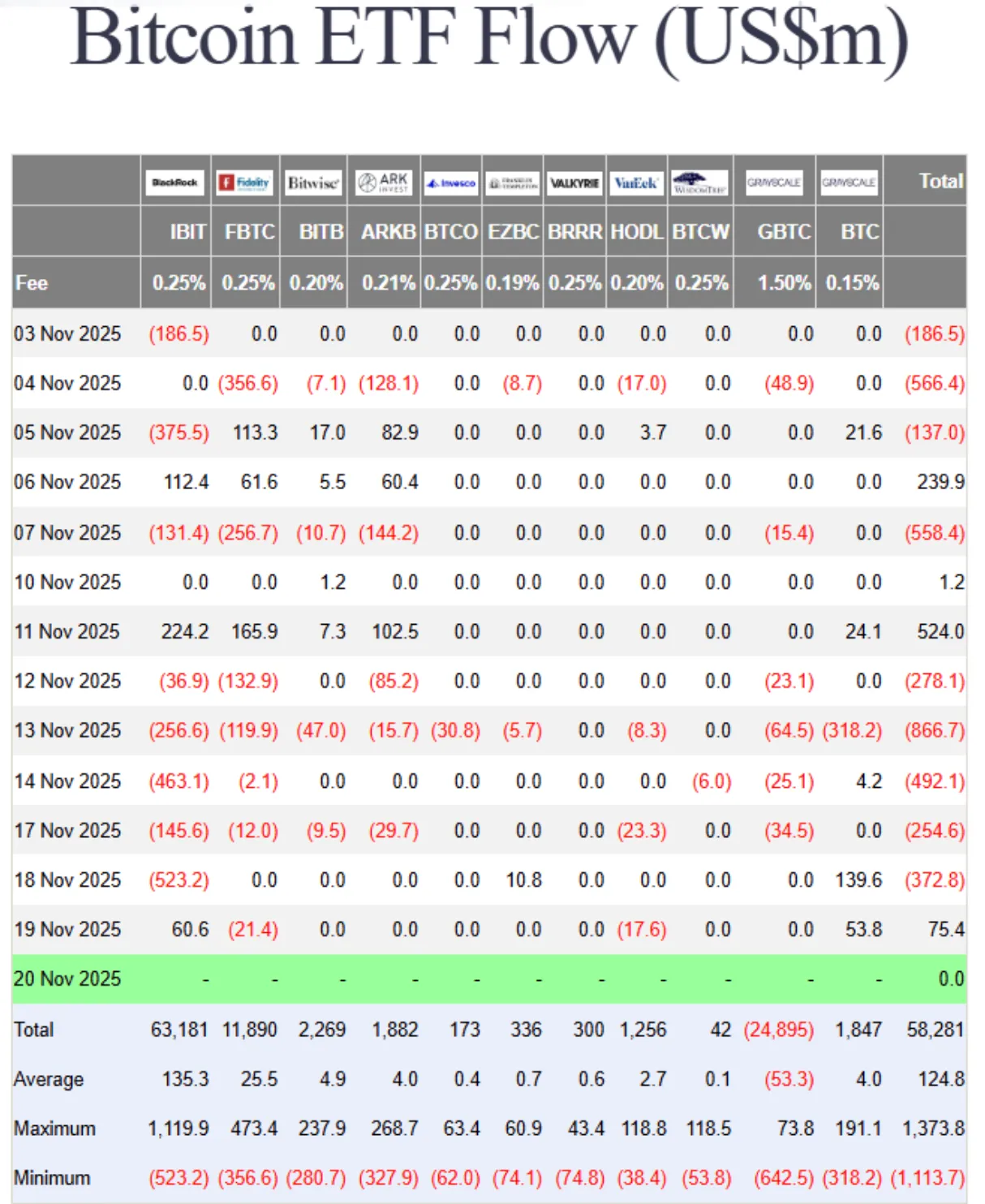
Macro conditions have added to the strain. The Federal Reserve’s cautious stance on rate cuts has boosted the dollar, tightening global liquidity. Historically, a stronger dollar tends to weigh on risk assets, and Bitcoin is proving no exception. With inflation still stubborn, traders are scaling back expectations of an imminent policy pivot. That shift has turned optimism into discipline, and rallies are now being sold rather than chased - a complete reversal of sentiment from the euphoric $126,000 highs of October.
Why it matters
This correction highlights the growing interconnection between Bitcoin and traditional finance. ETFs opened the door to institutional exposure but also linked crypto more tightly to mainstream market sentiment. When investors reduce ETF holdings, the knock-on effects hit liquidity, pricing, and confidence across the board.
As Matt Williams of Luxor explains, “The drop to $86,000 is largely driven by macro forces - rate expectations, inflation - and by large holders cutting exposure after breaking key technical supports.”
Psychologically, this is a new phase. The retail frenzy that once defined Bitcoin’s DNA - seen vividly during Thanksgiving 2017 when it first hit $10,000 - is subdued. Santiment data shows sentiment almost evenly divided between calls for a plunge below $70,000 and hopes of a rally past $130,000. That polarity signals confusion and caution rather than conviction. Fear, rather than fundamentals, is currently driving the market.

Impact on markets and investors
According to reports, Bitcoin’s downturn is spilling across asset classes. Correlation with major stock indices, such as the Nasdaq 100, has climbed above 0.8, indicating that digital assets are now moving in sync with broader risk trends. When the dollar strengthens or yields climb, both Bitcoin and equities feel the pressure.
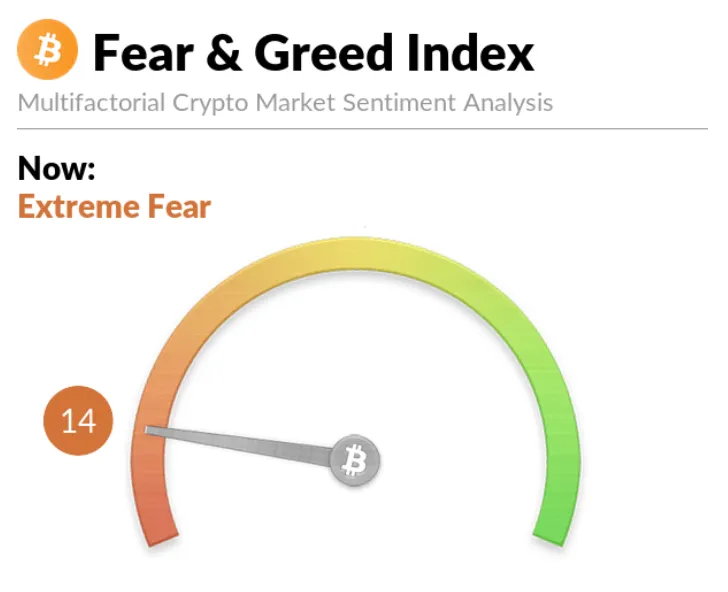
ETF outflows have become another source of stress. As redemptions flow, market makers unwind hedges, thinning liquidity and accelerating price swings. The Crypto Fear & Greed Index dropped to 14 this week - its lowest reading since February - underscoring the market’s fragile psychology. Rachael Lucas of BTC Markets notes that money flow, momentum, and trading volumes all point to “a sharp deterioration in sentiment,” reflecting a wider “risk-off” shift.
Behind the volatility lies a deeper liquidity issue. Tom Lee of Fundstrat compares crypto market makers to “central banks” of digital liquidity - and those banks are running short of capital. After October’s $20 billion liquidation event, many trading firms are operating with thinner balance sheets, leaving them less able to absorb market stress. The infrastructure of crypto may be more developed than it was in 2021, but its capacity to handle large shocks is still limited.
Expert outlook
Market watchers are split on whether this is a temporary correction or the start of a longer bear phase. Nic Puckrin of Coin Bureau calls it a “bull-bear tug of war,” where macro pessimism is offset by resilience in the tech sector. Nvidia’s recent earnings helped stabilise broader risk sentiment, but Bitcoin’s failure to follow through shows that traders remain cautious. Puckrin identifies $107,500 as the next resistance if any relief rally emerges.
Meanwhile, Andre Dragosch of Bitwise believes the current pullback still fits the profile of a mid-cycle correction rather than a full reversal. He expects the broader uptrend to resume in 2026, supported by global monetary easing and a revival of institutional interest. For now, the key is whether Bitcoin can defend the $85,600 and $74,000 levels. A bounce from there could signal consolidation; a break below could open the door to another sharp drop.
The bigger picture: Could Bitcoin trigger a financial crisis?
Despite the panic, Bitcoin remains modest compared to the real economy. The crypto market’s total value sits around $3 - 4 trillion, with Bitcoin making up roughly half. In contrast, global financial assets exceed $400 trillion. Past meltdowns - Terra in 2021, FTX in 2022 - rattled crypto but left traditional finance largely untouched.
Yet, each cycle pulls the two worlds closer together. Spot ETFs, corporate holdings, and stablecoins backed by US Treasuries now create genuine financial linkages. A severe Bitcoin selloff could spark redemptions across ETF products, balance-sheet stress for firms holding BTC, and forced Treasury sales by stablecoin issuers. None of that would replicate a 2008-style meltdown - but the boundary between crypto losses and traditional contagion is fading fast.
Bitcoin technical insights
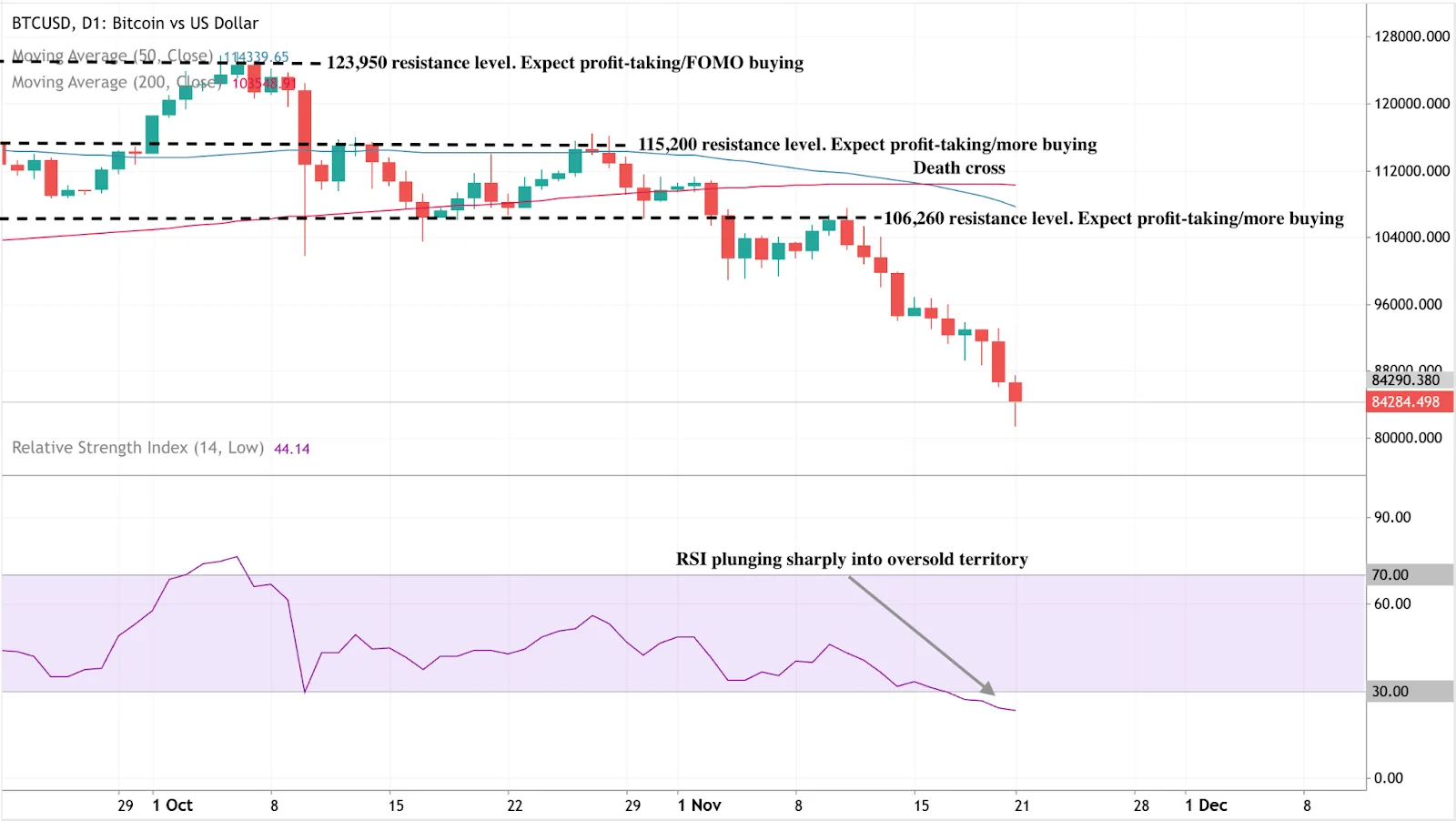
At the time of writing, BTC/USD trades near $84,200, marking an extended downtrend. The RSI has fallen deep into oversold territory, suggesting that bearish momentum may soon meet exhaustion. Short-term traders are eyeing potential relief bounces if buying pressure rebuilds.
A death cross, where the 50-day moving average slips below the 200-day, reinforces the bearish bias and hints at sustained downside risk. Resistance sits at $106,260, $115,200, and $123,950 - levels that could cap any rebound attempts. Unless Bitcoin can reclaim those zones, sentiment will likely stay fragile and volatility high.
Key takeaways
Bitcoin’s slide is a reflection of its evolution. The ETF era has made the asset more accessible but also more vulnerable to macro mood swings. Liquidity has become a double-edged sword - quick to enter, quicker to leave.
If Bitcoin can defend $85,600 and $74,000, analysts report that this downturn may be remembered as another cyclical reset before renewed institutional buying. If not, its “under pressure” phase could deepen into a prolonged bear market that tests just how stable this new financial bridge between crypto and traditional markets really is.
إخلاء مسؤولية:
The performance figures quoted are not a guarantee of future performance.
الأسئلة الشائعة
Why is Bitcoin falling so sharply right now?
How significant are the ETF redemptions?
Is Bitcoin officially in a bear market?
Could Bitcoin’s crash trigger a global financial crisis?
What are the next levels to watch?


