المحتويات
مقال
Why Gold and Silver are shattering records in 2025
December 1, 2025
مقال
Why Gold and Silver are shattering records in 2025
December 1, 2025
مقال
Why Gold and Silver are shattering records in 2025
December 1, 2025
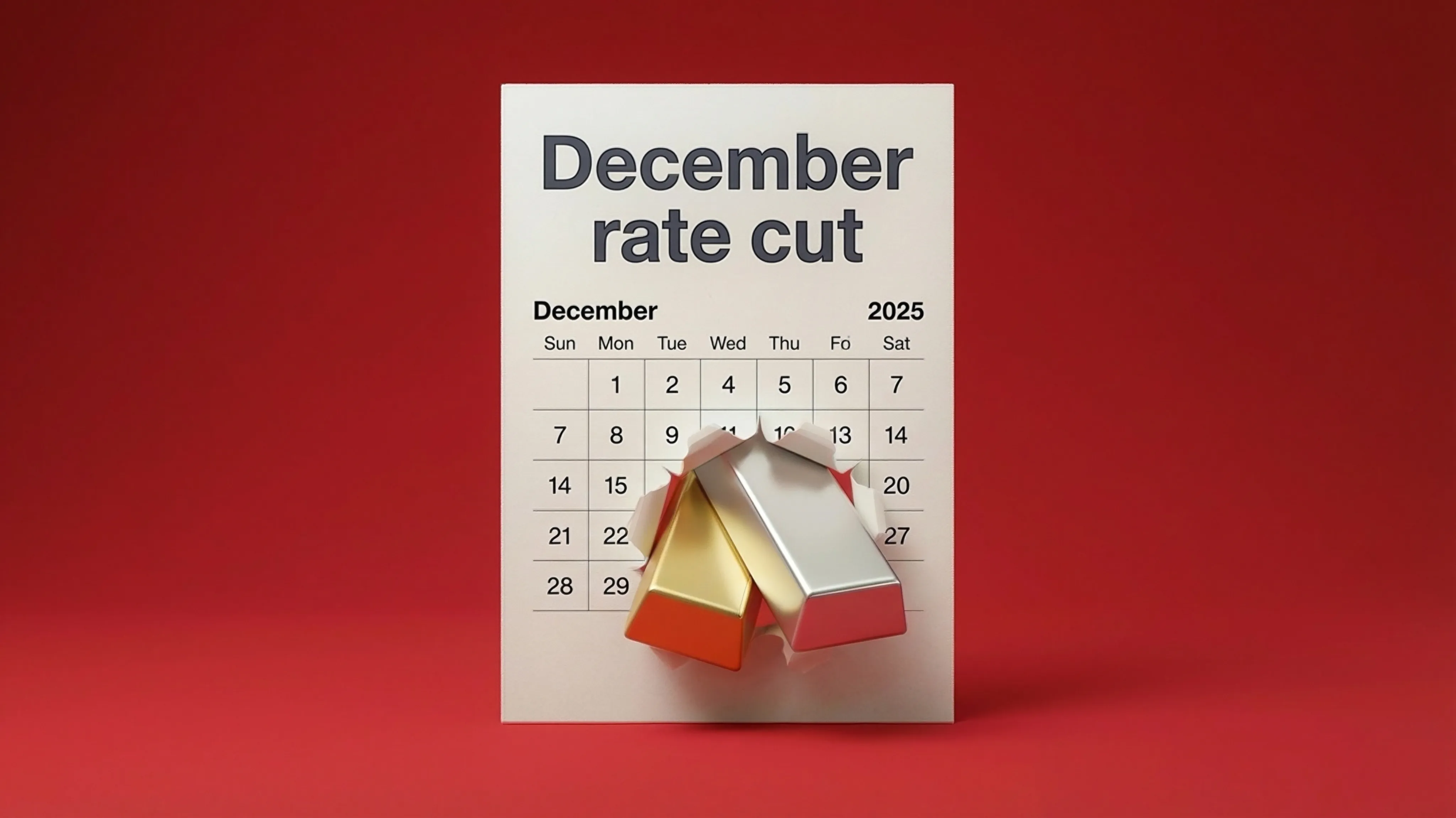
Gold and silver are shattering records in 2025 because structural demand, shifting policy expectations and tightening physical supply have converged with unusual force. Gold has climbed close to 60% this year, reclaiming the $4,000 level after briefly slipping below it in late October and early November.
That level has since turned into a psychological floor, and prices are now holding near the $4,200 range. Silver has risen even more dramatically, nearly doubling over 11 months and approaching $56 at recent highs. These moves go far beyond short-lived speculation - they reflect systemic changes rippling through global markets.
A turning point for precious metals
This exceptional performance has become one of 2025’s defining market themes, particularly as it diverges sharply from the trends of previous cycles. Central banks are broadening their reserves at a faster pace, using gold as a strategic hedge, while industries that rely on silver are battling for increasingly scarce physical supplies.
Investors are recalibrating for an environment in which rate cuts are expected to return, geopolitical risks remain elevated, and traditional safe havens feel less dependable. Understanding these shifts offers insight into where gold and silver could move next - and what their rise signals about the global economy’s changing dynamics.
What’s driving gold and silver’s breakout?
Gold’s climb this year didn’t begin in January - it was set in motion years ago. Central banks have accelerated their gold purchases, becoming the market’s most consistent buyers at a time when currencies and sovereign debt markets are being tested by political tensions and fiscal expansion.
Gold has delivered gains in 10 of the past 11 months, rising more than 60% and pushing towards its strongest yearly performance since the late 1970s. These flows represent deliberate, long-horizon repositioning rather than short-term momentum trades.
Movements in treasury yields have strengthened this trend. Markets anticipate further interest rate cuts from the Federal Reserve and other major central banks, which would push real yields lower and weaken the dollar.
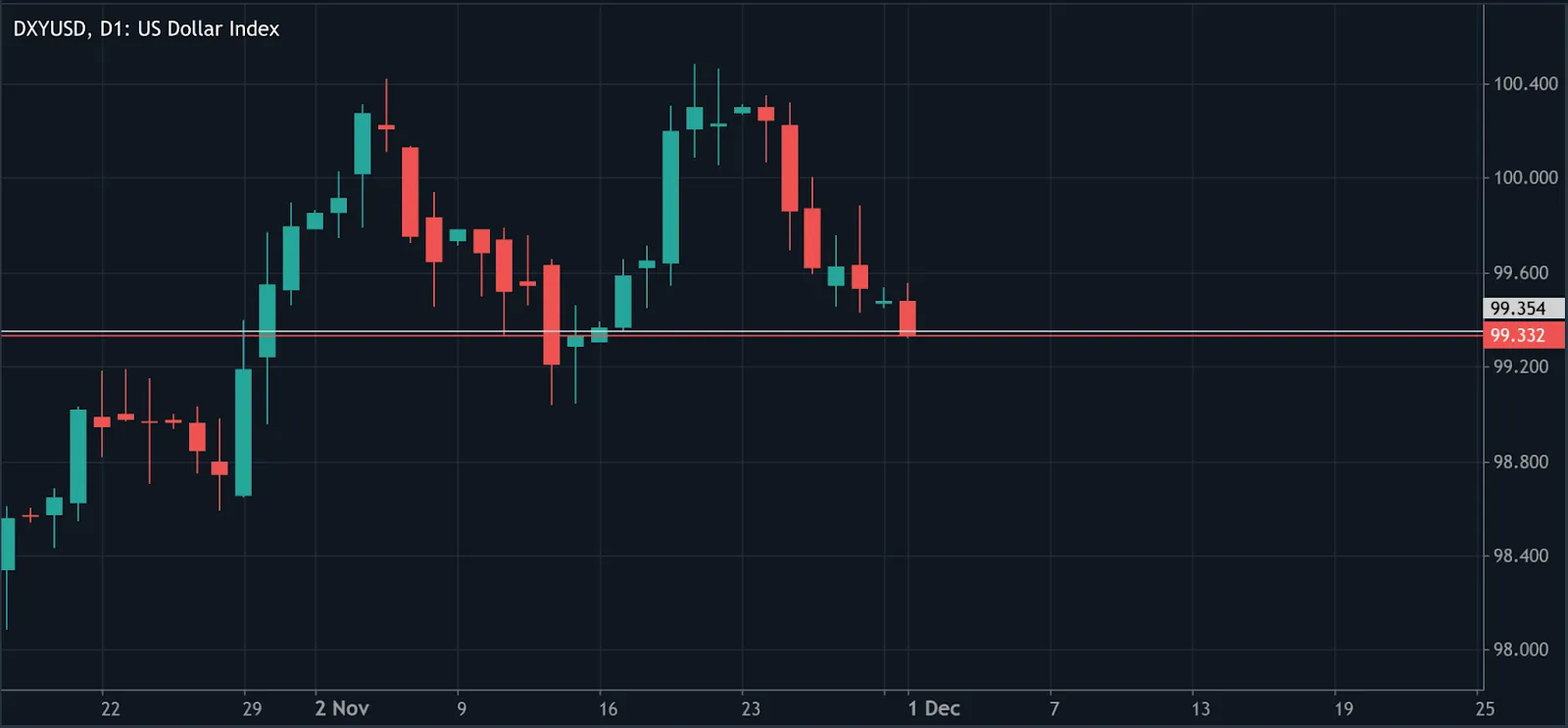
That combination naturally boosts demand for gold, which becomes more appealing when the opportunity cost of holding non-yielding assets falls. With inflation still proving sticky and fiscal deficits widening, gold has re-emerged as a reliable hedge in an increasingly uncertain landscape.
Silver’s shortage-driven rally
Silver’s rise shares some macro drivers with gold, but its underlying story is far more constrained by supply. In less than a year, silver has surged about 94%, rallying to record highs near $56.60 per ounce.
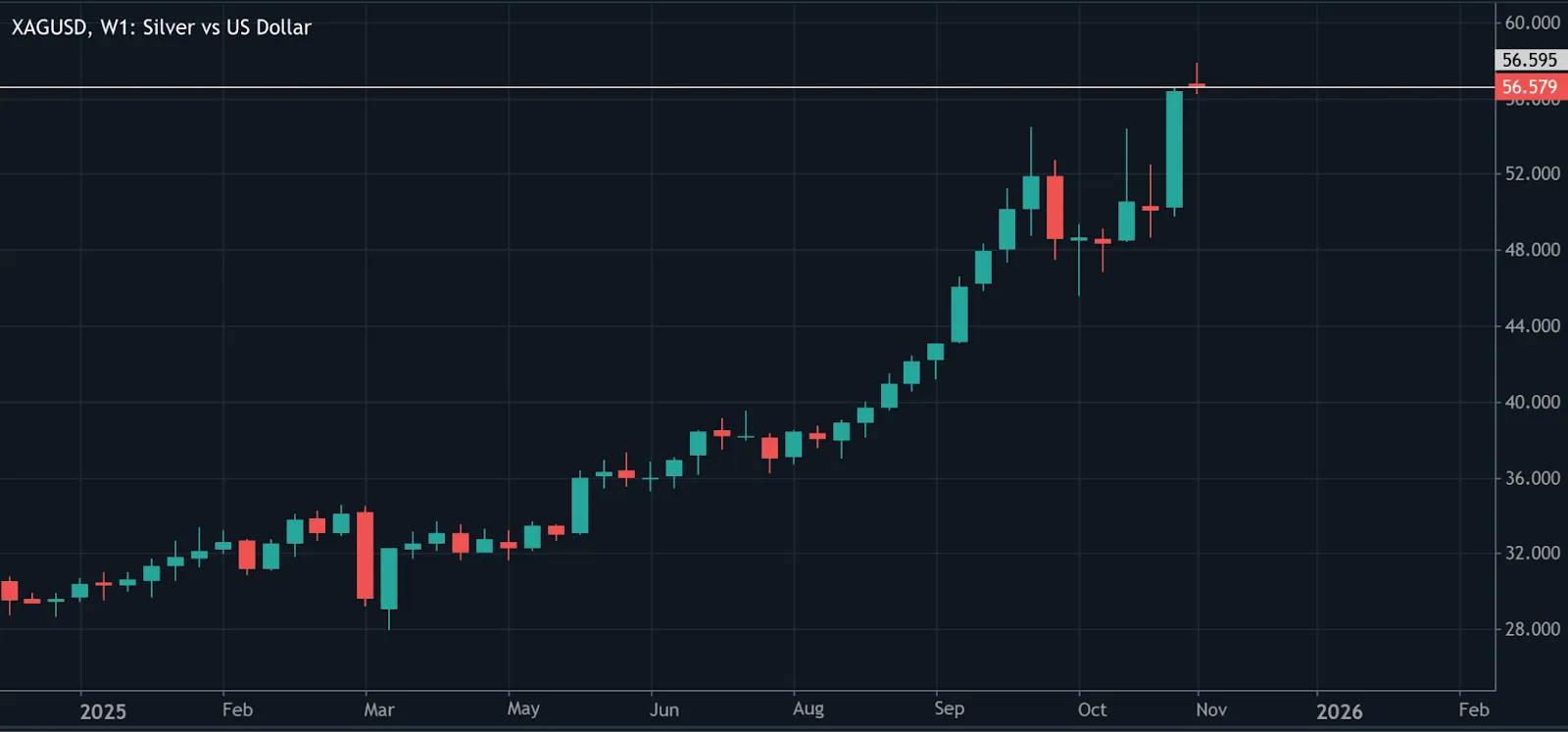
That acceleration is rooted in industrial demand that has consistently outstripped available supply. London vaults, once heavily stocked, have seen inventories fall from roughly 31,000 metric tonnes in mid-2022 to about 22,000 tonnes by early 2025.
Signs of stress intensified in October, when overnight lease rates briefly equated to around 200% annually as traders scrambled to source physical metal. China experienced a similar tightening: domestic holdings declined while exports surged above 660 tonnes, highlighting a global market stretched thin.

At the same time, India’s seasonal buying - combined with strong demand from solar manufacturing, electronics production and the expanding EV sector - has absorbed large volumes of silver. When transport shifts from ships to aircraft to meet delivery deadlines, the signal is unmistakable: the market is dealing with genuine scarcity.
Why it matters
The jump in gold and silver prices is reshaping how investors think about safety, diversification and long-term value. After a long period in which bonds and US tech shares dominated defensive positioning, precious metals are reclaiming their traditional role during periods of geopolitical tension and fiscal uncertainty. UBS recently highlighted that “dollar softness, lower real yields and persistent geopolitical risk” continue to support strong demand for gold.
For policymakers, the rally signals fading confidence in fiscal stewardship and inflation management. Gold’s move towards $4,400 reflects persistent worries about debt expansion, currency dilution and the legacy of repeated rounds of quantitative easing.
Central banks expanding their gold reserves while simultaneously affirming inflation targets presents a mixed message to markets. Silver’s surge carries separate implications for sectors that rely on its conductivity - from renewable energy to consumer electronics - where rising prices threaten to tighten margins and slow production.
In emerging markets such as India, where silver plays a significant role in household savings, the price rise has had a particularly profound impact. Cultural buying patterns and agricultural income cycles have intensified demand at a time when global supply is strained. This has driven domestic prices to record highs, making silver both a financial refuge and a more expensive necessity.
Impact on markets, industry and consumers
The broader financial system is already adjusting to this new precious-metals landscape. The gold–silver ratio, which exceeded 100 early in the year, has dropped towards 75 as silver has outpaced gold in percentage terms.
The ratio remains above the long-term average of around 70, suggesting silver may have further room to appreciate if gold consolidates. For many traders, this ratio now functions as a sentiment gauge, signalling how aggressively markets are tilting towards higher-volatility hedges.

ETF flows and futures positioning have amplified market moves. ETFs tend to attract momentum-based inflows during rallies, while leveraged positions can accelerate both upswings and corrections. Silver’s smaller, more concentrated market makes it particularly vulnerable to sharp reversals when positions unwind. For retail traders, this creates a landscape rich in opportunity but marked by heightened risk.
Industrially, the pressures are more tangible. Silver demand for industrial use rose to roughly 680.5 million ounces in 2024, with solar panel production alone consuming around 244 million ounces - more than double 2020 levels. The International Energy Agency projects around 4,000 gigawatts of new solar capacity by 2030, which could require an additional 150 million ounces of silver annually.
Electric vehicles compound this demand. While today’s EVs use between 25 and 50 grams of silver, future solid-state battery designs could require up to a kilogram per vehicle. Layer this with rising demand from AI, semiconductor development and data-centre expansion, and the supply-demand imbalance grows even more pronounced.
For everyday consumers, the consequences are mixed. Higher production costs may lead to more expensive solar power systems, electronics and EVs. Yet in markets such as India, silver remains a culturally rooted store of value, even as record prices stretch purchasing power. Local silver prices reached around 170,415 rupees per kilogram in October - an 85% rise since the start of the year.
Expert outlook
Most major institutions now place their 2026 gold forecasts in the $4,000–$4,600 range. Deutsche Bank recently raised its projection to approximately $4,450, outlining a potential range between $3,950 and $4,950 depending on market conditions. Goldman Sachs believes there is “almost 20% further upside”, suggesting that gold could push towards $4,900 by late 2026 if central-bank buying continues and real yields stay subdued. Bank of America, HSBC and Société Générale all view $5,000 as a credible upside scenario.
Some analysts expect a more tempered year ahead. The World Bank notes that after an investment-driven surge in 2025, gains may slow in 2026, with gold consolidating rather than climbing sharply. Silver could also stabilise at elevated levels, though its supply-driven dynamics make it naturally more volatile.
Silver’s dual identity - part safe haven, part industrial workhorse - adds complexity. The market is expected to remain in deficit for a fifth consecutive year, yet its smaller size exposes it to sharper corrections if monetary expectations shift. As Paul Syms of Invesco pointed out, the 2025 squeeze “caught a few investors by surprise”, a reminder that this metal rarely moves in straight lines.
The next market catalysts will arrive quickly: the Federal Reserve’s December policy meeting, updated macro projections, and fresh central-bank reserve data. These will determine whether easing financial conditions continue into 2026 or whether the market begins to unwind some of this year’s dramatic moves.
Key takeaway
Gold and silver are breaking records in 2025 because global demand is intensifying at the very moment supply constraints are becoming more obvious. Central banks are seeking insulation from geopolitical and monetary uncertainty, investors are searching for resilient hedges, and industries are consuming more metal than the world can readily produce. These combined pressures have created one of the most powerful rallies in decades. As 2026 approaches, the path forward will hinge on interest-rate decisions, industrial demand trends and the continuation - or reversal - of central-bank accumulation.
Silver technical insight
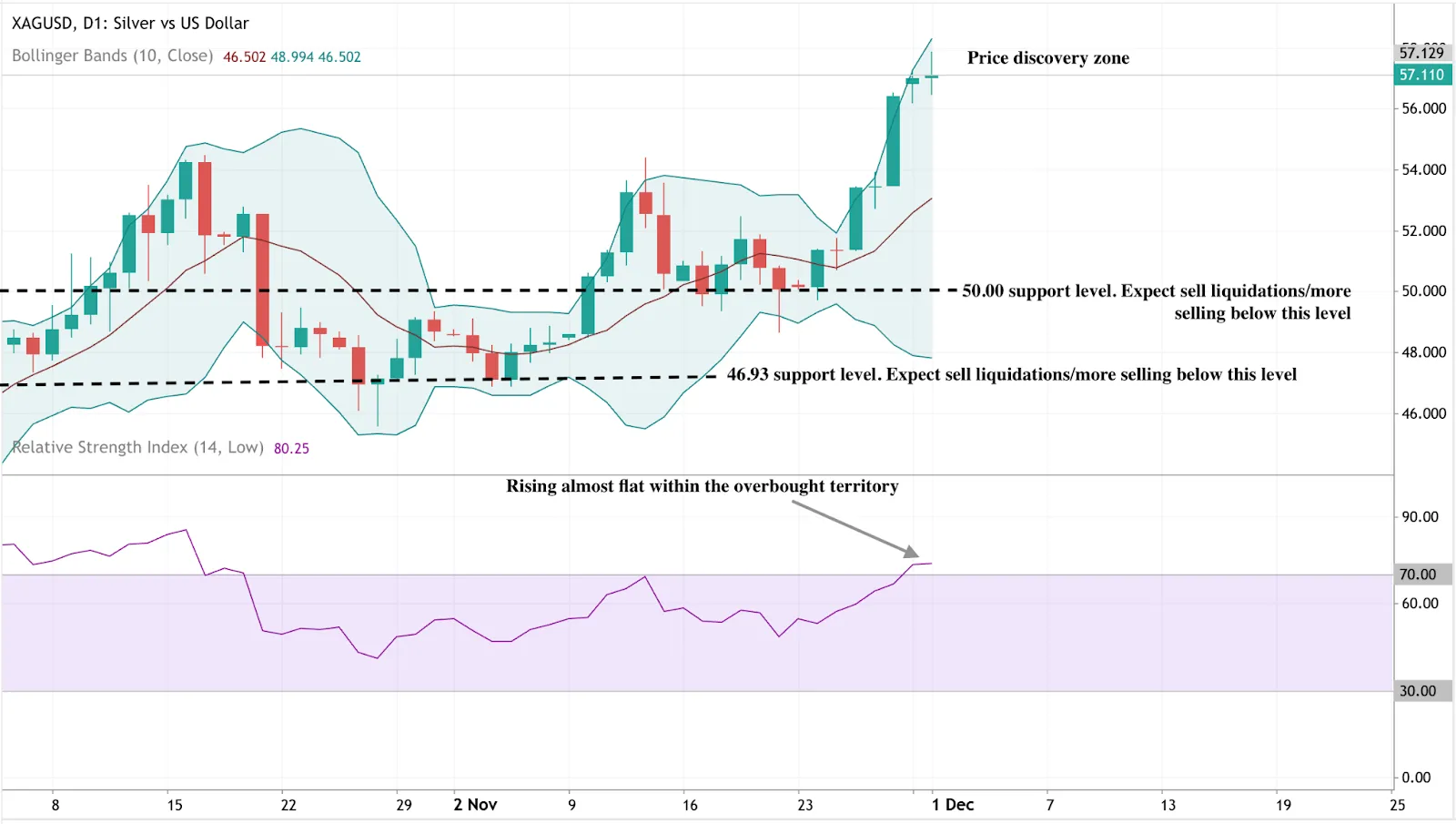
Silver (XAG/USD) has entered a price discovery phase, trading above $57 after a decisive breakout from its consolidation. The rally shows firm bullish commitment, lifting the price far beyond the prior range and forcing shorts to retreat. Immediate support now sits at $50.00 and $46.93 - levels where a deeper pullback could spark more pronounced selling pressure if breached.
Price action remains stretched along the upper Bollinger Band, showing aggressive demand and a trend firmly skewed in favour of buyers. A pullback towards the mid-band would be a natural test of trend strength.
The RSI is hovering near 80, signalling persistent buying but also warning that conditions are becoming overheated. While the broader trend still points upward, overextension increases the likelihood of temporary consolidations or cooling phases as the market digests new highs.
إخلاء مسؤولية:
The performance figures quoted are not a guarantee of future performance.
الأسئلة الشائعة
Why are gold prices breaking records in 2025?
Why has silver outperformed gold this year?
What is the gold–silver ratio and why is it important now?
Could gold reach $5,000 per ounce in 2026?
Is silver a safe haven or an industrial metal?


