المحتويات
مقال
Could USD/JPY push beyond 157 after Japan’s earthquake?
December 9, 2025
مقال
Could USD/JPY push beyond 157 after Japan’s earthquake?
December 9, 2025
مقال
Could USD/JPY push beyond 157 after Japan’s earthquake?
December 9, 2025

USD/JPY is holding well above 156 after Japan’s severe 7.6-magnitude earthquake weighed on the Yen and triggered renewed speculation about how the Bank of Japan may respond. According to reports, the shock hit an economy already shrinking at a 2.3% annual rate, while October’s 2.6% rise in wages had previously reinforced the case for a December rate increase. With Japan now contending with both physical and financial disruption, investors are reassessing the likelihood of near-term policy tightening.
Attention also turns to the Federal Reserve, where a 25-basis-point cut with firmer guidance is widely expected. The combination of Yen softness and the prospect of a “hawkish cut” has lifted USD/JPY to levels last seen months ago. The question now is whether momentum can carry the pair through the 157 mark.
What’s driving USD/JPY higher?
Market watchers noted the Yen’s slide reflects a mix of structural vulnerabilities and sudden economic strain. As reported, the earthquake prompted tsunami alerts across regions from Hokkaido to Chiba, forcing around 90,000 residents to evacuate. Such disruption has amplified concerns about Japan’s near-term outlook, compounding an economy already revised down to a 2.3% annualised contraction. Wage gains had supported expectations of a December rate hike, but the natural disaster has prompted traders to rethink the probability of immediate BoJ tightening.
The US dollar, by contrast, has strengthened as markets prepare for the Fed’s final decision of the year. Traders assign an 89.6% chance to a 25-basis-point cut, but inflation holding at 3.4% year-on-year implies policymakers will maintain a firm stance.
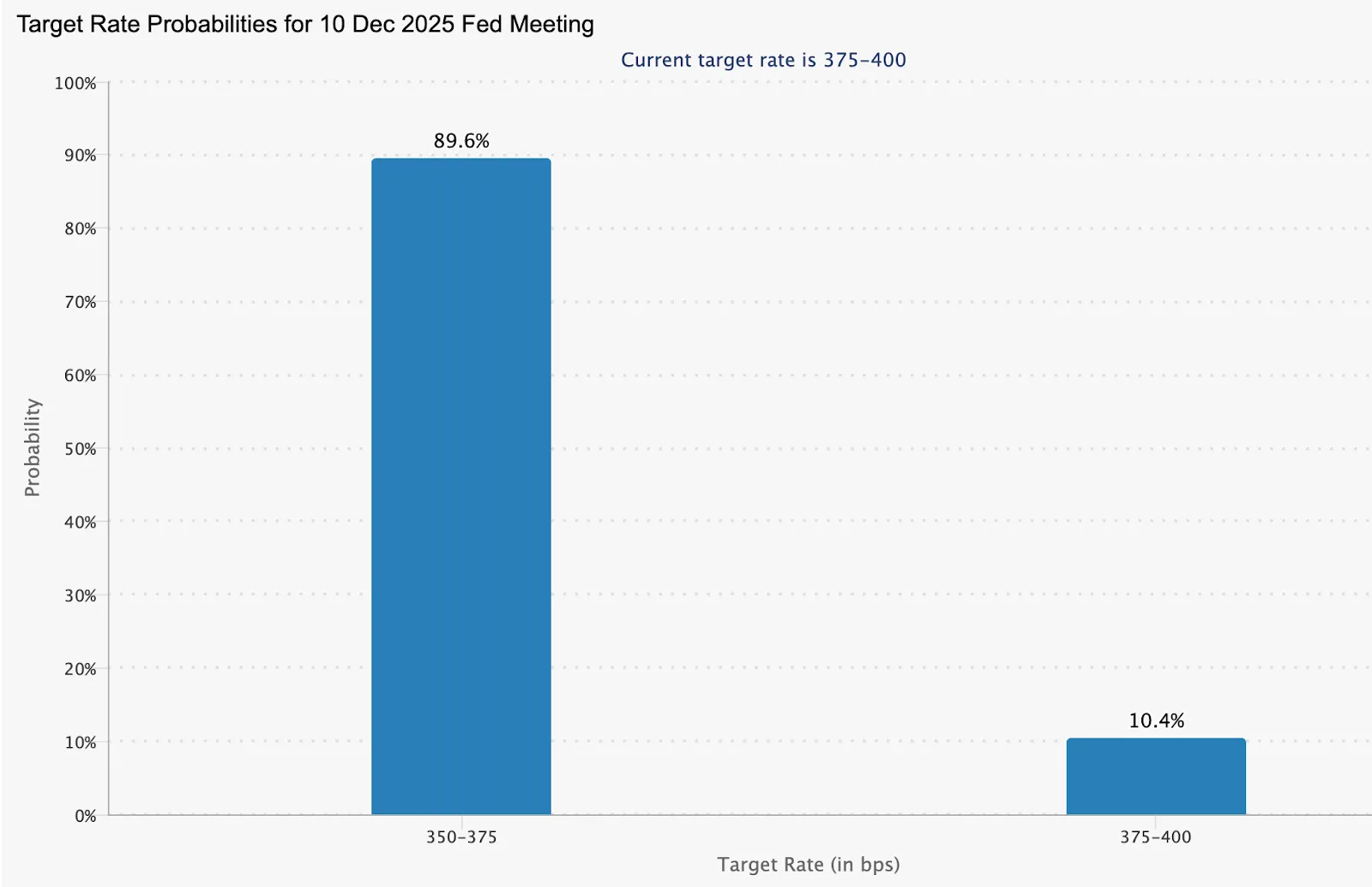
This mix of cautious easing and persistent inflation keeps the yield gap in the dollar’s favour, helping USD/JPY break cleanly through 156 and leaving 157 as the next key level.
Why it matters
Analysts noted that USD/JPY often acts as a real-time indicator of stress across global markets, and its latest ascent reflects how quickly sentiment can shift when economic shocks and policy uncertainty collide. The earthquake complicates Japan’s monetary trajectory, raising doubts about whether the BoJ can continue with its planned tightening cycle while reconstruction and stabilisation demand attention. This stands against the backdrop of elevated JGB yields, which had signalled confidence in a December hike only weeks earlier.
A Tokyo-based strategist noted that “the BoJ’s room for manoeuvre has narrowed at the worst possible moment,” capturing the tension now shaping market expectations. Investors must balance the possibility of a postponement against the risk that policymakers proceed regardless, seeking to maintain credibility. This ambiguity is why USD/JPY’s move has become a focal point beyond FX desks.
Impact on markets and investors
With the pair comfortably above 156, analysts say traders have added to long exposure in anticipation of further gains. Higher US yields continue to support the dollar, while uncertainty surrounding the BoJ’s timing for policy normalisation adds to upward pressure. Comparisons with the 1995 Hanshin earthquake - when the bank maintained accommodative conditions for an extended period - are resurfacing, fuelling speculation that tightening may be delayed.
Options markets echo this shift in sentiment. Buying interest in USD/JPY calls at 156.50, 157.00 and above has increased, suggesting traders are positioning for a potential breakout. Rising volatility ahead of the Fed decision has also encouraged the use of long straddles, which benefit from large swings. Meanwhile, defined-risk spreads remain appealing in an environment where sharp policy-driven moves are likely.
Expert outlook
According to analysts, whether USD/JPY clears 157 depends on how central banks interpret risk in the coming days. If the BoJ signals caution and delays its anticipated hike, the pair could extend its upward push, particularly if the Fed confirms that next year’s easing cycle will be gradual. However, if the BoJ strikes a firmer tone or the Fed surprises with softer guidance, enthusiasm for additional upside may stall.
A cluster of catalysts now looms. ADP and JOLTS data will help refine expectations for the US labour slowdown, while Japan’s continued assessment of the earthquake’s economic impact could shift BoJ expectations at short notice. With both economies nearing critical policy moments, volatility appears unavoidable. Markets now watch whether USD/JPY simply tests 157 or establishes a durable break above it.
Key takeaway
USD/JPY has advanced beyond 156 and is approaching a pivotal test at 157 as traders weigh the fallout from Japan’s earthquake against a cautious Federal Reserve. The rate differential continues to support dollar strength, but the BoJ’s response to the evolving crisis remains the most significant variable. With major US data releases and central bank decisions ahead, many perceive short-term movements in the pair are likely to be driven by event risk rather than steady fundamentals.
USD/JPY technical insights
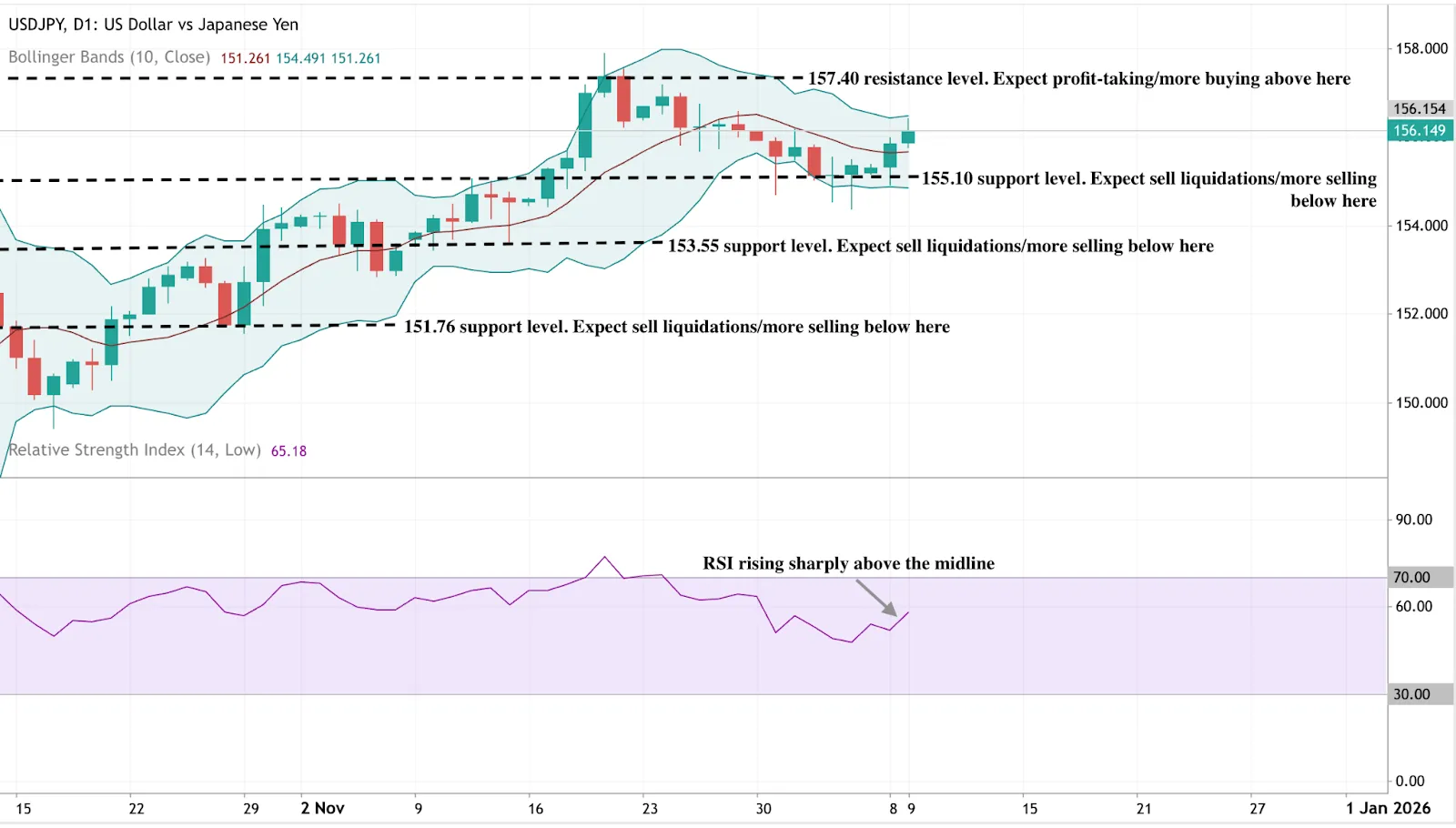
At the time of writing, USD/JPY trades around 156.15, attempting to build momentum after recovering from recent lows. The pair is edging closer to the 157.40 resistance zone, a level that often triggers either profit-taking or renewed bullish interest if price breaks convincingly higher. On the downside, support levels are located at 155.10, 153.55, and 151.76, with a drop below these areas likely to intensify selling pressure.
Price action indicates that the pair is climbing back toward the upper Bollinger Band after a period of consolidation, suggesting that buyers are reasserting control. A clean move above the resistance level would confirm the continuation of the broader uptrend. The RSI has risen sharply above 65, indicating strengthening bullish momentum. While not yet in overbought territory, the indicator reflects intensifying buying interest—an encouraging sign for those anticipating further upside.
إخلاء مسؤولية:
The performance figures quoted are not a guarantee of future performance.
الأسئلة الشائعة
Why has USD/JPY strengthened following Japan’s earthquake?
Will the BoJ still hike rates in December?
How will the Fed’s decision impact USD/JPY?
Which US data releases could move the pair?
Is volatility likely to rise in USD/JPY?


