المحتويات
مقال
USD/JPY is surging: Will Tokyo intervene before it's too late?
November 24, 2025
مقال
USD/JPY is surging: Will Tokyo intervene before it's too late?
November 24, 2025
مقال
USD/JPY is surging: Will Tokyo intervene before it's too late?
November 24, 2025

The USD/JPY pair is once again testing Tokyo’s patience, trading within the 155–160 range - a region that in the past triggered direct intervention to stabilise the yen. Analysts warn that breaching 160 could reignite official action from Japan’s Ministry of Finance. This level is more than symbolic; it represents the boundary between policy restraint and market panic.
The growing tension stems from Japan’s conflicting economic signals. Prime Minister Sanae Takaichi’s ¥21.3 trillion (£112 billion) stimulus package has pushed yields higher while undermining the yen, just as the United States keeps rates elevated. The market is now asking: will Japan defend the line, or let the yen slide further into uncharted territory?
What’s driving USD/JPY?
The yen’s weakness has deepened as Japan’s fiscal and monetary paths diverge. The Takaichi government’s aggressive spending - from energy subsidies to tax relief and household handouts - aims to offset rising living costs but has eroded investor confidence. Debt concerns are mounting, with Bloomberg reporting that Japanese Government Bond (JGB) yields have reached their highest point since 2008.
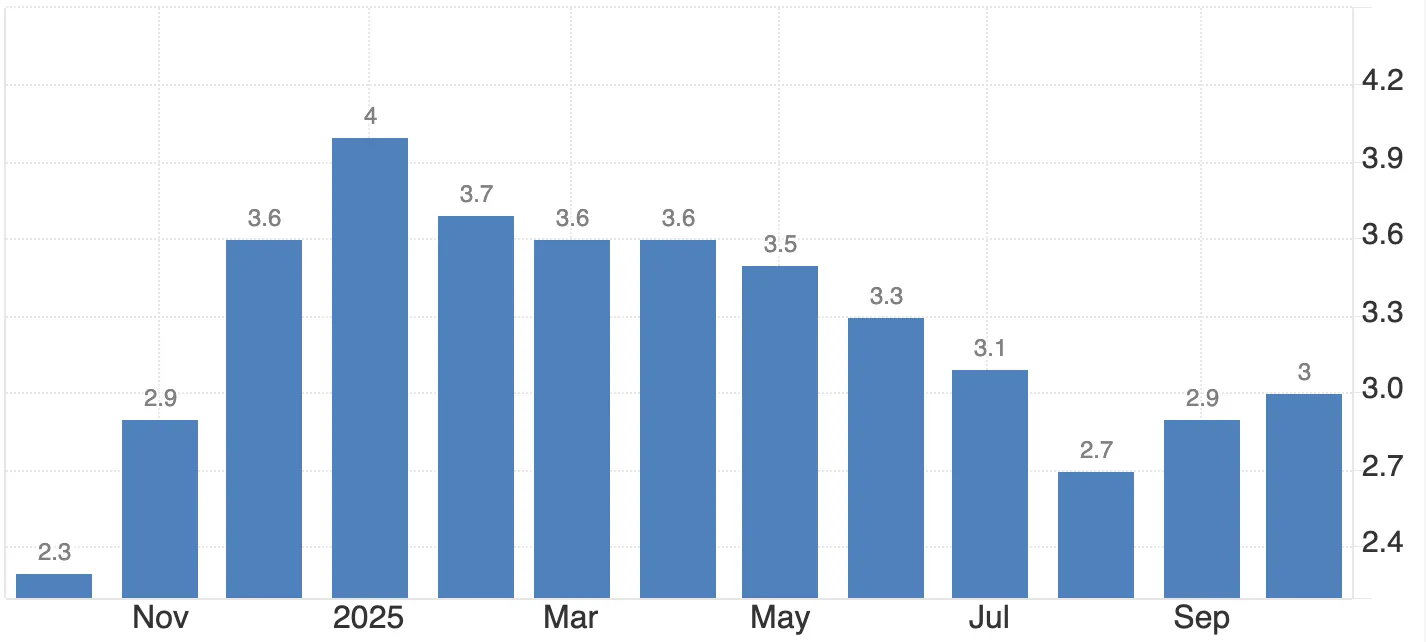
Meanwhile, the Bank of Japan has been in no hurry to act. Governor Kazuo Ueda insists sustainable wage growth must take hold before policy normalisation, even as inflation stays above target. By contrast, the Federal Reserve’s steady hand on interest rates continues to attract yield-seeking capital, keeping USD/JPY elevated and the yen under persistent pressure.
Why it matters
The yen’s fall is a mixed blessing. Export giants such as Toyota and Sony have enjoyed stronger overseas revenues, but import-heavy sectors face thinner margins and higher costs. For Japanese consumers, each uptick in USD/JPY translates to pricier essentials and slower wage recovery. “Japan’s yen in real effective terms is almost as weak as the Turkish lira,” cautioned Robin Brooks of the Brookings Institution, criticising the government’s debt-heavy approach.
Beyond Japan, the yen’s movements influence global risk sentiment. Its decline emboldens carry trades - investors borrowing yen to fund riskier positions elsewhere. But if Tokyo steps in, volatility could spike overnight. The memory of 2024’s massive $60 billion intervention still lingers, reminding traders that Japan’s patience has limits.
Impact on markets and strategy
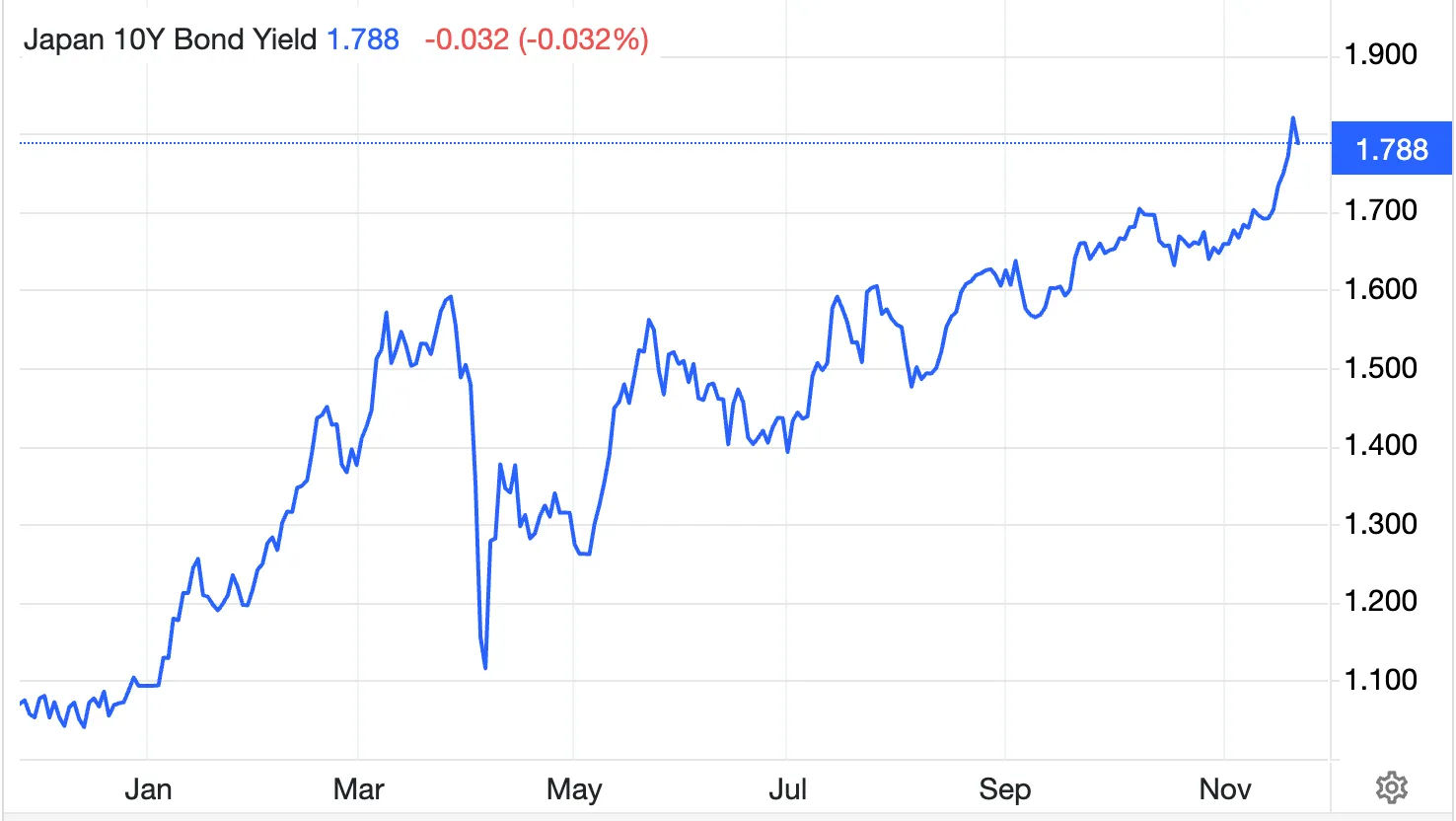
Investors in Japan’s bond market are growing uneasy. Ten-year JGB yields have climbed beyond 1 per cent, while forty-year bonds trade above 3.6 per cent - both signalling market scepticism over Japan’s debt trajectory. Finance Minister Satsuki Katayama’s recent remarks about acting against “disorderly moves” have been widely interpreted as a thinly veiled warning of intervention.
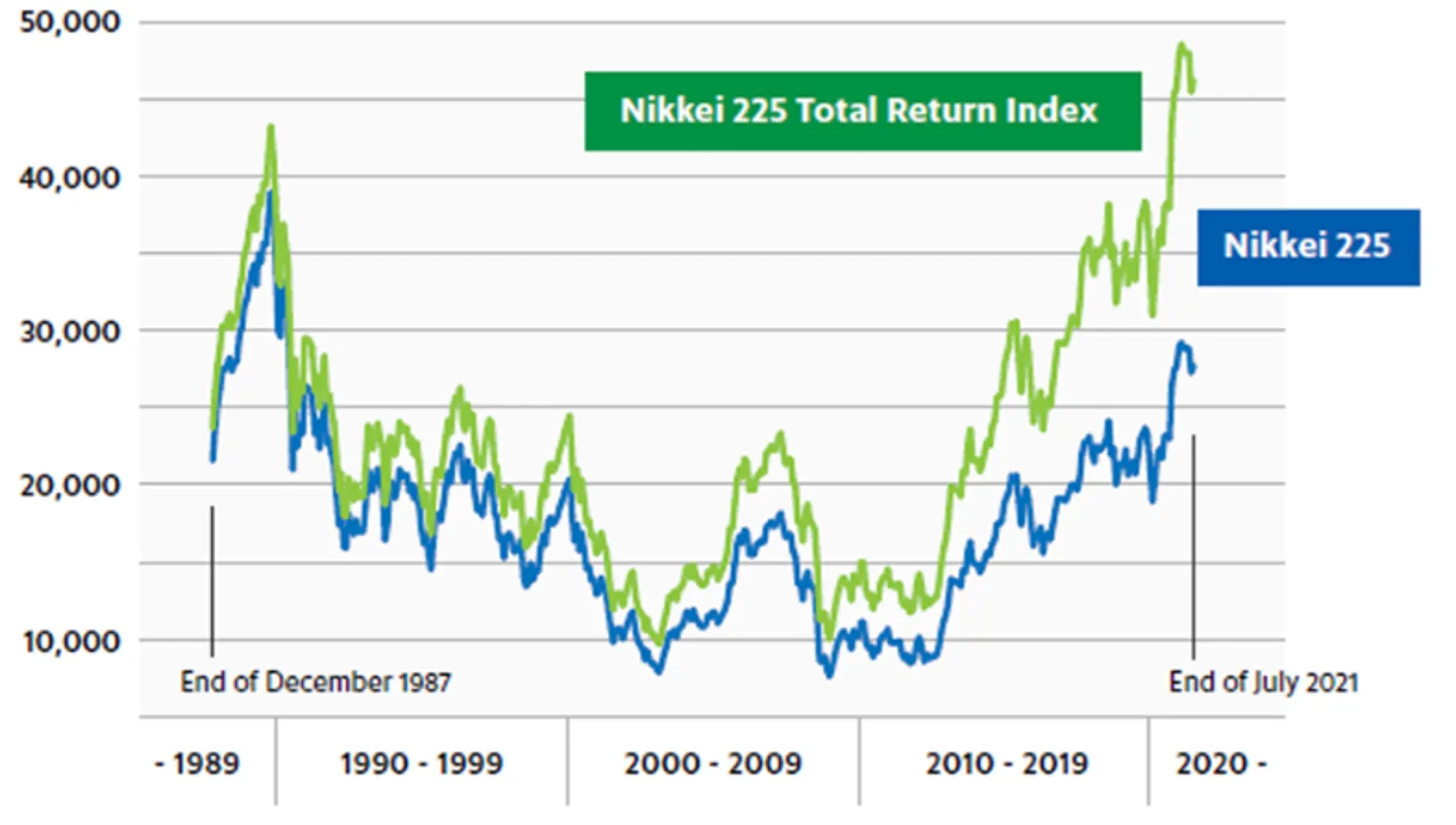
Equities have benefited from the weaker yen, with the Nikkei 225 reaching multi-decade highs thanks to export-driven earnings. However, consumer sentiment is slipping, and inflation expectations are rising. Globally, the yen’s softness continues to fuel speculative positioning in equities and crypto, although traders remain wary of a sudden policy pivot from Tokyo or the BoJ.
For retail traders, volatility around these levels is a double-edged sword. Staying disciplined with trade size and exposure is crucial - using tools such as the Deriv calculator can help estimate pip values, contract sizes, and potential returns before entering a USD/JPY position.
Expert outlook
Analysts agree that timing is key. If the Bank of Japan moves ahead with a rate hike to 0.75 per cent in December, the yen could regain strength, pulling USD/JPY back toward 150. But if Tokyo waits while the Fed stays hawkish, traders may push the pair beyond 160. “Sanae Takaichi’s Abenomics-style stimulus will expand global liquidity and strengthen the dollar - King Dollar is alive and well,” said James Thorne of Wellington Altus.
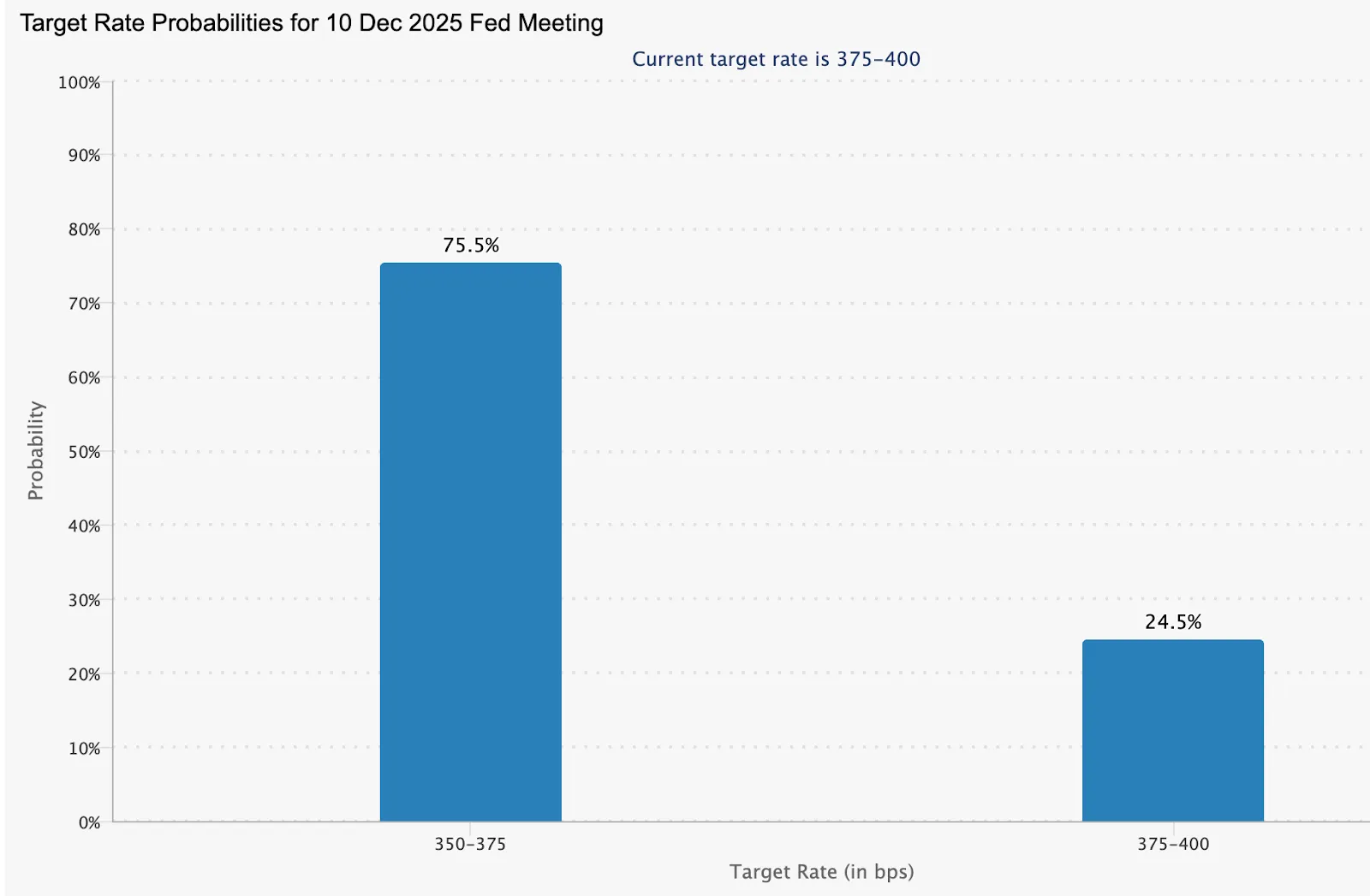
Markets currently price in a 75.5 per cent probability of a US rate cut in December, according to the CME FedWatch Tool.
Should the Fed turn dovish, the yield gap would narrow, prompting yen buying. But until that shift materialises, Japan’s currency remains at the mercy of sentiment - and the longer USD/JPY clings to 160, the greater the pressure for Tokyo to reassert control.
USD/JPY technical insights
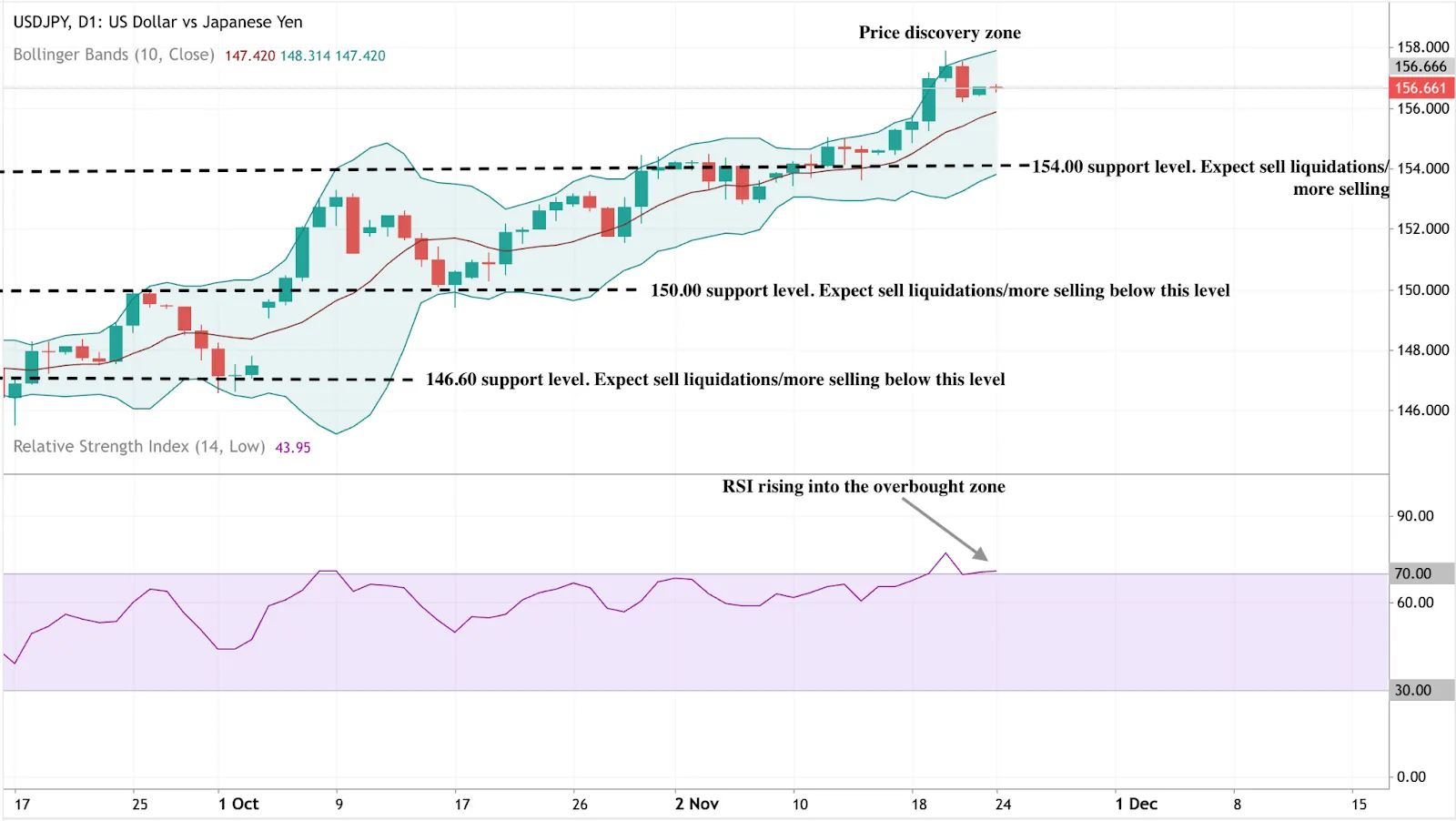
At the time of writing, USD/JPY is trading near 156.66, consolidating after a strong upward move. The Bollinger Bands (10, close) are widening, reflecting heightened volatility and sustained bullish momentum, though short-term exhaustion risks are building as price action hovers near the upper band.
Key support levels sit at 154.00, 150.00, and 146.60 - breaks below could accelerate selling and trigger deeper retracements. On the upside, a move beyond 156.00 faces limited resistance, with pullbacks likely to attract dip buyers if momentum persists.
The RSI (14) continues to climb toward overbought territory, suggesting upside strength may be nearing a peak. A sustained reading above 70 could signal further bullish continuation, while any drop below could mark early signs of profit-taking or correction.
Key takeaway
USD/JPY’s return to the 155–160 corridor underscores a deeper problem: Japan’s fiscal expansion has outpaced its monetary response. Until policymakers align their strategies, the yen’s weakness will persist, leaving markets on constant alert for intervention.
For traders, this environment offers opportunities - but also heightened risk. Understanding volatility and using risk management tools such as the Deriv calculator can help navigate sharp swings. For now, USD/JPY remains squarely in the danger zone, where every tick higher tests both Tokyo’s tolerance and the market’s nerve.
إخلاء مسؤولية:
The performance figures quoted are not a guarantee of future performance.
الأسئلة الشائعة
Why is 155–160 called the “danger zone”?
How does Japan’s stimulus affect the yen?
Could the Bank of Japan raise rates soon?
What could push USD/JPY lower?
Has Japan intervened before?


