Contents
Article
Why Silver is rising as geopolitics tighten the physical market
January 7, 2026
Article
Why Silver is rising as geopolitics tighten the physical market
January 7, 2026
Article
Why Silver is rising as geopolitics tighten the physical market
January 7, 2026

Silver prices have pushed to record territory as geopolitical upheaval collides with a market already constrained by years of tightening physical supply. Spot silver has moved above $80 per ounce, building on gains of more than 140% in 2025, despite US Treasury yields remaining elevated and the US dollar remaining resilient.
What stands out is that this move cannot be explained by speculative enthusiasm alone. Rising geopolitical tensions, increasing state control over supply chains, and accelerating industrial demand have reshaped the foundations of the silver market. As physical availability tightens, paper pricing is struggling to keep pace, forcing investors to reassess silver’s role and valuation.
What’s driving Silver’s rise?
Geopolitics has returned as a central force in commodity pricing, and silver has emerged as an unexpected focal point. According to sources, the US military’s capture of Venezuelan president Nicolás Maduro has unsettled global markets, reigniting fears of wider intervention across Latin America.
President Donald Trump’s declaration that the US would “run” Venezuela, alongside pointed rhetoric toward Mexico, Cuba, Colombia, and Greenland, has added a layer of persistent uncertainty to global risk sentiment. These developments have increased demand for assets perceived as insulated from political escalation.
Traditionally, such moments favoured gold. This time, silver has reacted more sharply. Morgan Stanley strategist Amy Gower cautioned that geopolitical events “bring upside risks to precious metals,” maintaining a positive outlook for the sector into 2026. The key difference today is the market’s lack of slack.
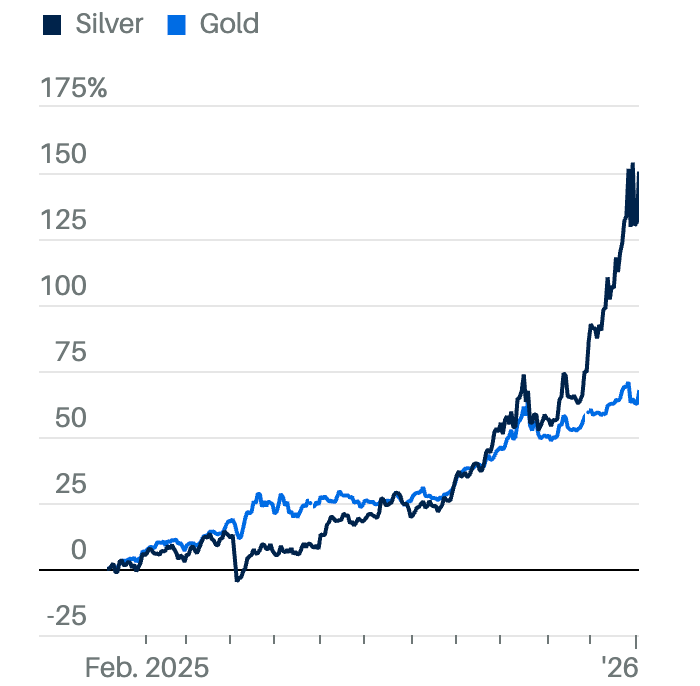
Silver entered this latest geopolitical shock with limited spare capacity, leaving prices acutely sensitive to disruption and amplifying upside moves.
Why it matters
The current rally challenges long-standing assumptions about how precious metals behave during periods of stress. Previous surges, including the Hunt brothers’ attempt to corner the market in 1980 and the post-crisis rally in 2011, eventually unravelled once inventories surfaced and leverage was unwound.
Today’s backdrop is materially different. Global silver demand has exceeded mine supply and recycling for several consecutive years. Industrial use - driven by solar energy, electric vehicles, and electronics - has expanded steadily, while above-ground inventories have continued to decline.
Jefferies strategist Mohit Kumar has argued that diversification away from the US dollar is likely to accelerate, with gold as a primary beneficiary. Yet silver’s blend of monetary and industrial demand gives it a unique advantage in an environment where both inflation hedging and physical availability matter.
Impact on markets and industry
The growing gap between paper prices and physical silver has become increasingly difficult to ignore. Futures markets remain influenced by liquidity conditions and margin requirements, but physical buyers are facing a far tighter reality. While the actively traded COMEX March 2026 contract has hovered near $72 per ounce, one-ounce silver coins in Dubai have traded close to $100, far beyond what traditional fabrication premiums would justify.
This spread signals stress rather than speculative excess. Industrial consumers cannot rely on futures contracts to meet production needs. Manufacturers in solar, electronics, and electric vehicles require physical metal, and geopolitical constraints are making supply harder to source.
China’s move to classify silver as a strategic commodity has reinforced these pressures. Although exports have not been banned outright, tighter controls mean global supply now responds as much to political considerations as to price signals.
Expert outlook
Efforts to temper the rally have so far produced limited results. CME Group has raised margin requirements on silver futures by more than 60%, prompting leveraged participants to reduce exposure and heightening short-term volatility.
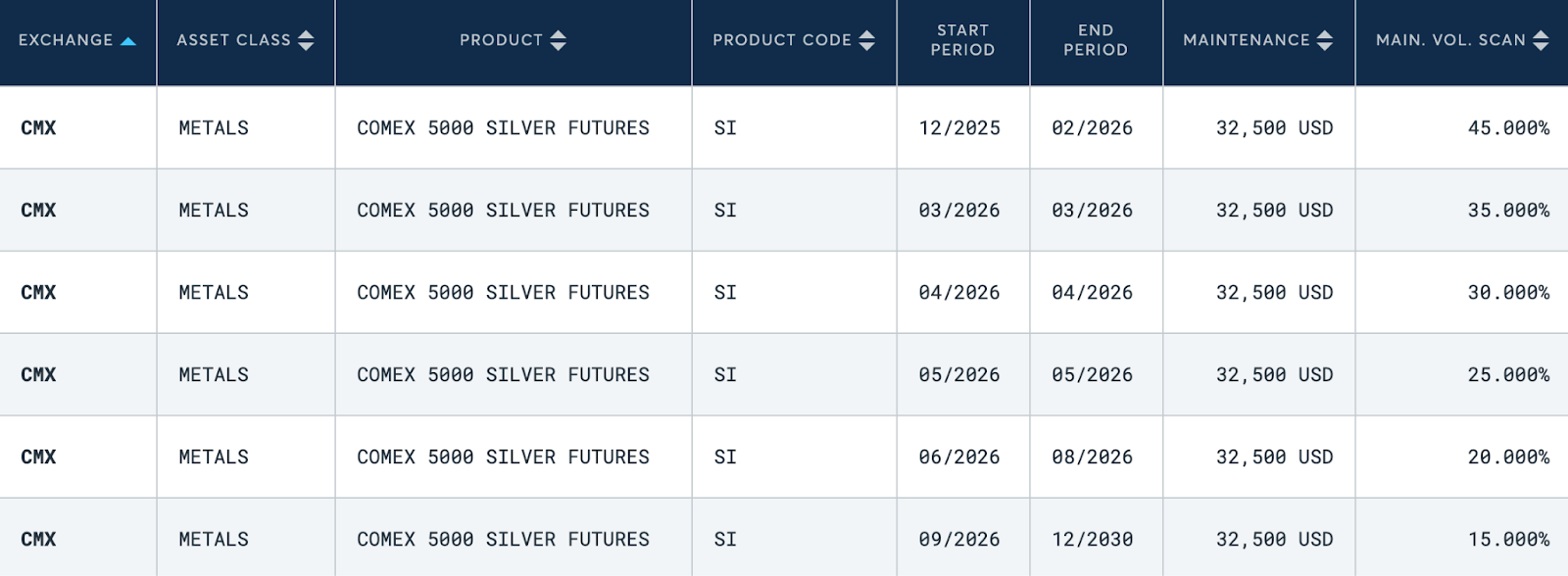
Veteran trader Francis Hunt has noted that such measures may flush out speculative positioning but do little to address the core issue. In a structurally tight market, higher margins cannot generate new supply or resolve physical shortages.
Looking ahead, analysts expect volatility to remain elevated but not necessarily bearish. As long as industrial demand continues to grow and geopolitical uncertainty constrains supply, price pullbacks are more likely to attract renewed interest than signal a lasting reversal. Silver is increasingly being treated less as a trading instrument and more as a strategic asset.
Key takeaway
Silver’s advance is not simply a response to geopolitical headlines. It reflects a market shaped by prolonged under-supply, rising industrial consumption, and growing political influence over physical flows. While margin hikes and volatility may slow momentum at times, they cannot undo the underlying imbalance. The next developments to watch are trends in industrial demand, shifts in Chinese export policy, and whether physical-market premiums continue to widen.
Silver technical outlook
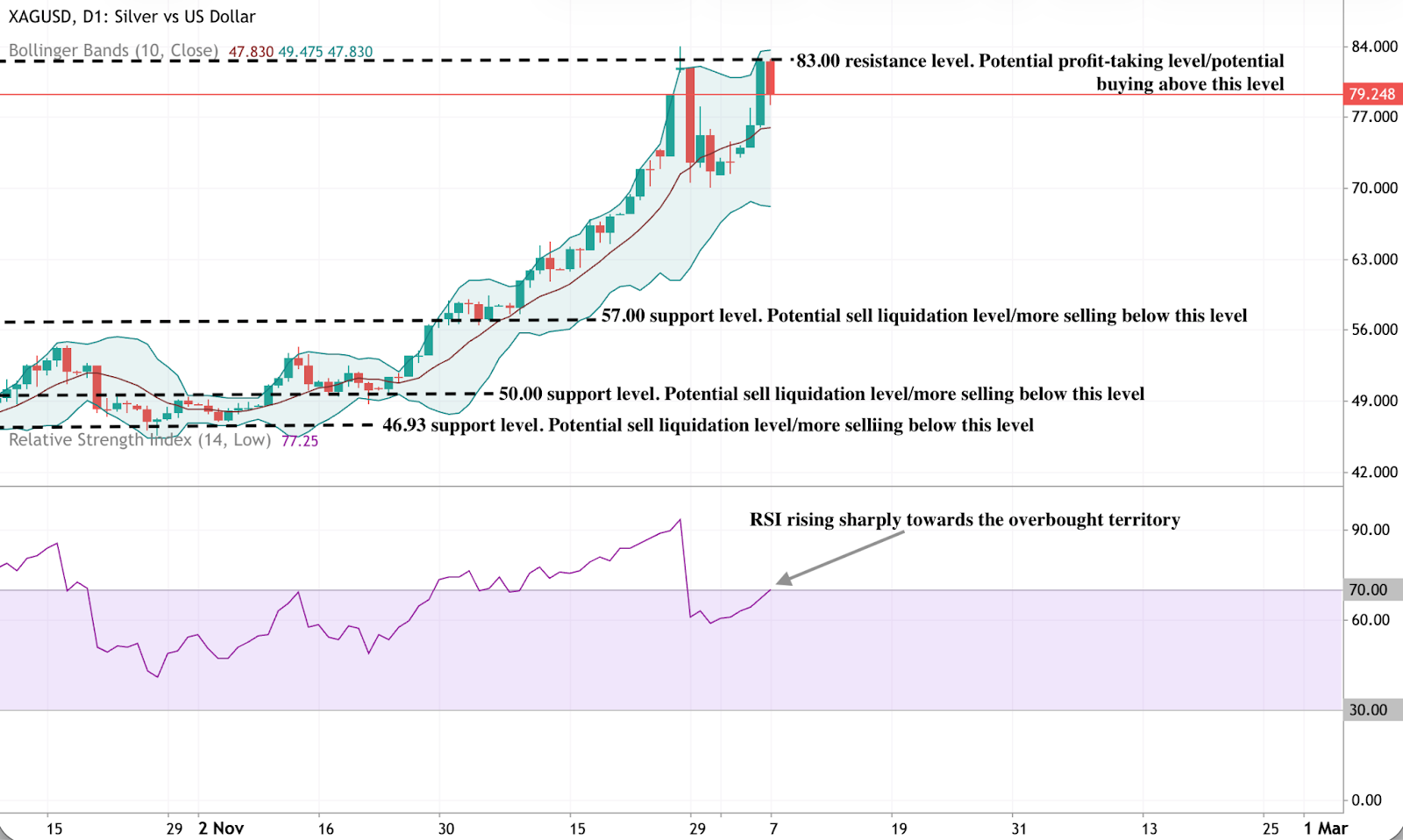
Silver remains in a strong bullish trend but is showing signs of hesitation just below the $83 resistance zone, an area that has previously attracted profit-taking. The advance has been accompanied by widening Bollinger Bands, indicating heightened volatility and sustained upside pressure.
Momentum indicators suggest the move is becoming stretched. The RSI is approaching overbought levels, increasing the likelihood of near-term consolidation rather than an outright reversal.
From a structural perspective, the trend remains constructive while prices hold above $57, with deeper support near $50 and $46.93. A decisive break above $83 could reopen further upside, while failure to clear resistance may see silver pause and consolidate before the next directional move.
Disclaimer:
The performance figures quoted refer to the past, and past performance is not a guarantee of future performance or a reliable guide to future performance.
FAQs
Why is silver rising faster than gold?
Is the current silver rally a bubble?
How do margin hikes affect silver prices?
What role does China play in silver supply?
Could silver prices fall sharply from current levels?


