Contents
Article
Why Gold’s break above $4,800 may not be the peak
January 21, 2026
Article
Why Gold’s break above $4,800 may not be the peak
January 21, 2026
Article
Why Gold’s break above $4,800 may not be the peak
January 21, 2026

Gold’s move above $4,800 an ounce has been widely described as a historic milestone, and on the surface, that framing holds. Prices have risen more than 5% in a single week, a sharp advance by any standard. Yet the context of the move matters. This surge has unfolded alongside abrupt shifts in currencies, bonds, and global positioning, rather than being driven by a single inflation print or data surprise.
The breakout appears to reflect a broader reassessment of risk rather than a late-cycle spike. As diplomatic strains between the United States and Europe intensify around Greenland and trade policy, investors are questioning long-held assumptions about where stability lies. From that perspective, the $4,800 level looks less like a ceiling and more like a line in the sand that markets have crossed.
What’s driving Gold’s breakout?
The immediate backdrop to gold’s rally has been a resurgence of geopolitical uncertainty tied to the Arctic and transatlantic relations. U.S. President Donald Trump’s repeated assertion that there is “no going back” on Greenland, alongside threats to impose tariffs on eight European countries, unsettled markets already wary of political shocks. European leaders responded firmly, with French President Emmanuel Macron warning against coercive tactics and hinting at potential countermeasures.
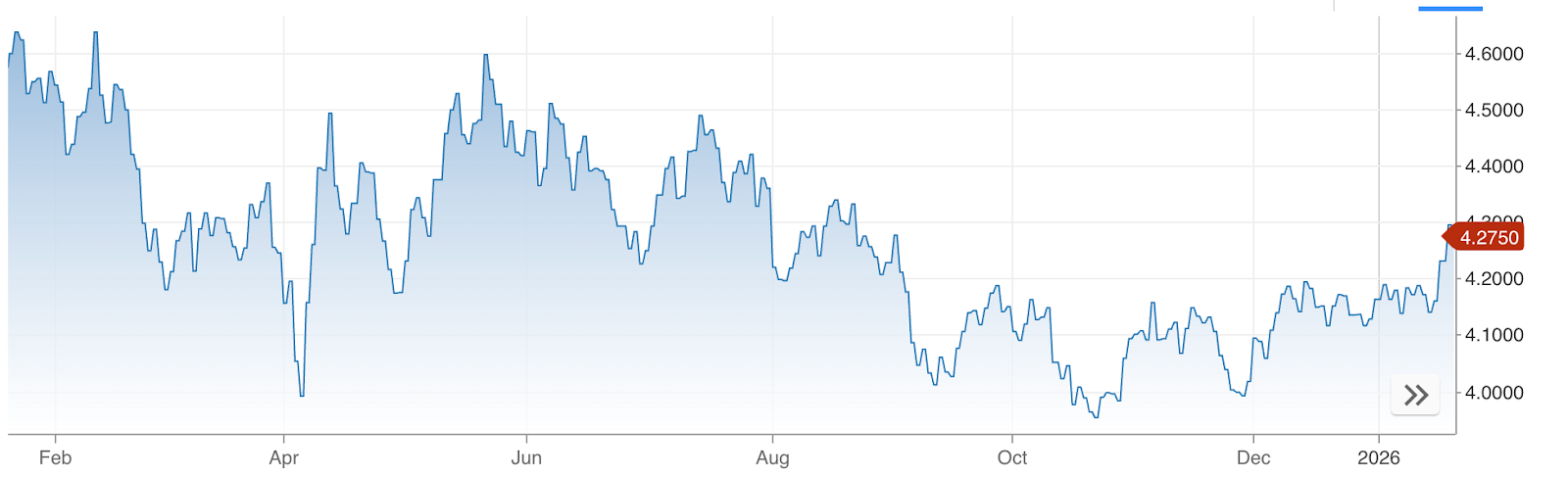
Markets reacted less to the headlines themselves and more to what they implied for alliances and capital flows. The U.S. Dollar Index slid nearly 1%, its sharpest fall since April, while U.S. bond prices declined and yields jumped, signalling stress rather than confidence.
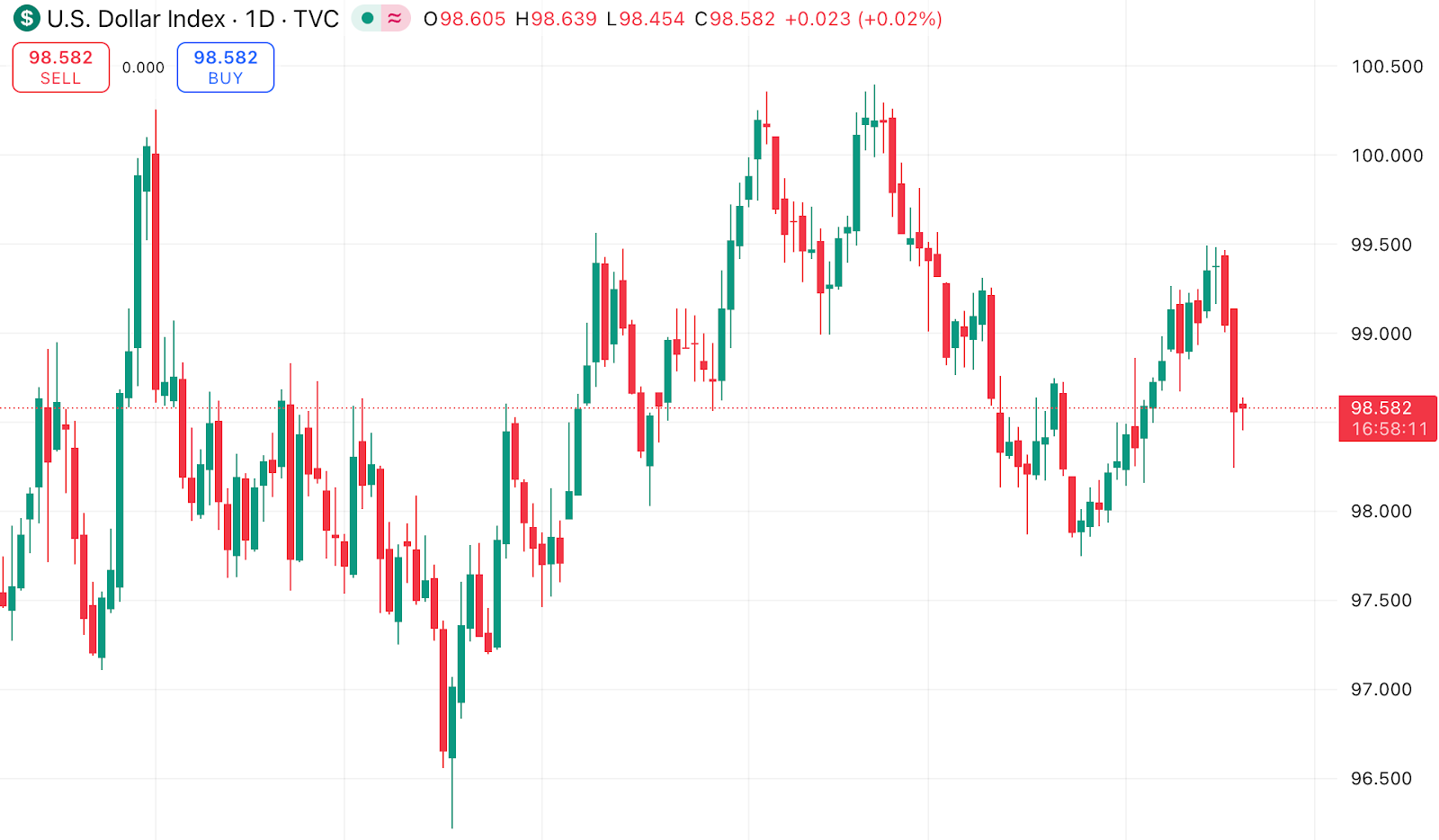
The euro strengthened, and reports emerged that European officials were considering suspending approval of a U.S. trade deal agreed last year. Against that backdrop, gold benefited from its unique position as an asset untethered to any single government or balance sheet.
Monetary policy has been a supporting factor, but not the main driver. Strong U.S. labour data pushed expectations for the next Federal Reserve rate cut back to June, reinforcing the idea that rates may stay higher for longer. Under normal conditions, that would pressure gold. This time, political uncertainty has outweighed interest-rate considerations, highlighting gold’s evolving role as a hedge against geopolitical risk rather than inflation alone.
Why it matters
Gold’s rally matters because it points to a gradual erosion of confidence in traditional safe havens. The latest advance coincided with what traders described as a renewed “sell America” trade, as investors reduced exposure to U.S.-focused assets. Krishna Guha of Evercore ISI characterised the backdrop as a “much broader global risk-off,” driven by political tension rather than a deteriorating growth outlook.
Ray Dalio offered a sharper warning at the World Economic Forum in Davos, arguing that trade disputes can spill into capital wars, where countries reconsider their appetite for financing U.S. deficits or holding U.S. debt. Gold’s rise mirrors those concerns. When confidence in financial leadership weakens, assets perceived as neutral tend to attract a premium.
This shift also challenges the assumption that government bonds remain the ultimate refuge in times of stress. High debt levels, political polarisation, and strategic rivalry have diluted that role. Gold’s strength suggests investors are redefining safety in a more fragmented and uncertain global landscape.
Impact on markets and investors
The knock-on effects have been visible across markets. Precious metals rallied in tandem, with silver also reaching new highs. Equity performance diverged, with mining-related shares benefiting while sectors vulnerable to trade disruption lagged. Fixed-income markets sent a clearer signal, with rising yields indicating capital moving away from U.S. bonds rather than rotating defensively into them.
Currency moves reinforced gold’s momentum. The dollar’s sharp decline increased the metal’s appeal, creating a dynamic often seen during major gold advances. When exchange rates become unstable, gold often serves as a reference point beyond the reach of central bank policy.
Institutional behaviour has added longer-term support. Central banks have continued to increase gold holdings as part of diversification efforts, reducing reliance on major reserve currencies. That steady accumulation suggests the rally is underpinned by structural allocation decisions rather than short-lived speculation.
Expert outlook
Views remain mixed on how gold behaves from here. Some analysts anticipate a period of consolidation after such a rapid ascent, particularly if diplomatic tensions ease or currency markets settle. Others note that major peaks tend to coincide with resolution, not ongoing uncertainty, and little in the current geopolitical environment points toward resolution.
A senior precious-metals strategist described the move as a “structural repricing driven by geopolitics and confidence shifts rather than short-term fear.” That interpretation suggests former resistance levels may now act as psychological support. If geopolitical tension, fiscal strain, and alliance uncertainty persist, gold’s strategic role in portfolios could continue to grow.
Attention will remain on developments in U.S.–EU relations, trade policy, and trends in central bank reserve holdings. These broader signals, rather than daily price swings, are likely to determine whether $4,800 marks the upper boundary of the move or the foundation of a higher trading range.
Key takeaway
Gold’s move above $4,800 represents more than a defensive rush into safety. It reflects a reassessment of political risk, currency confidence, and global trust. With central bank demand providing a structural underpinning and geopolitical tensions unresolved, the rally may be establishing a new baseline rather than exhausting itself. The next phase will hinge less on economic data and more on diplomacy, trade dynamics, and confidence in global leadership.
Gold technical outlook
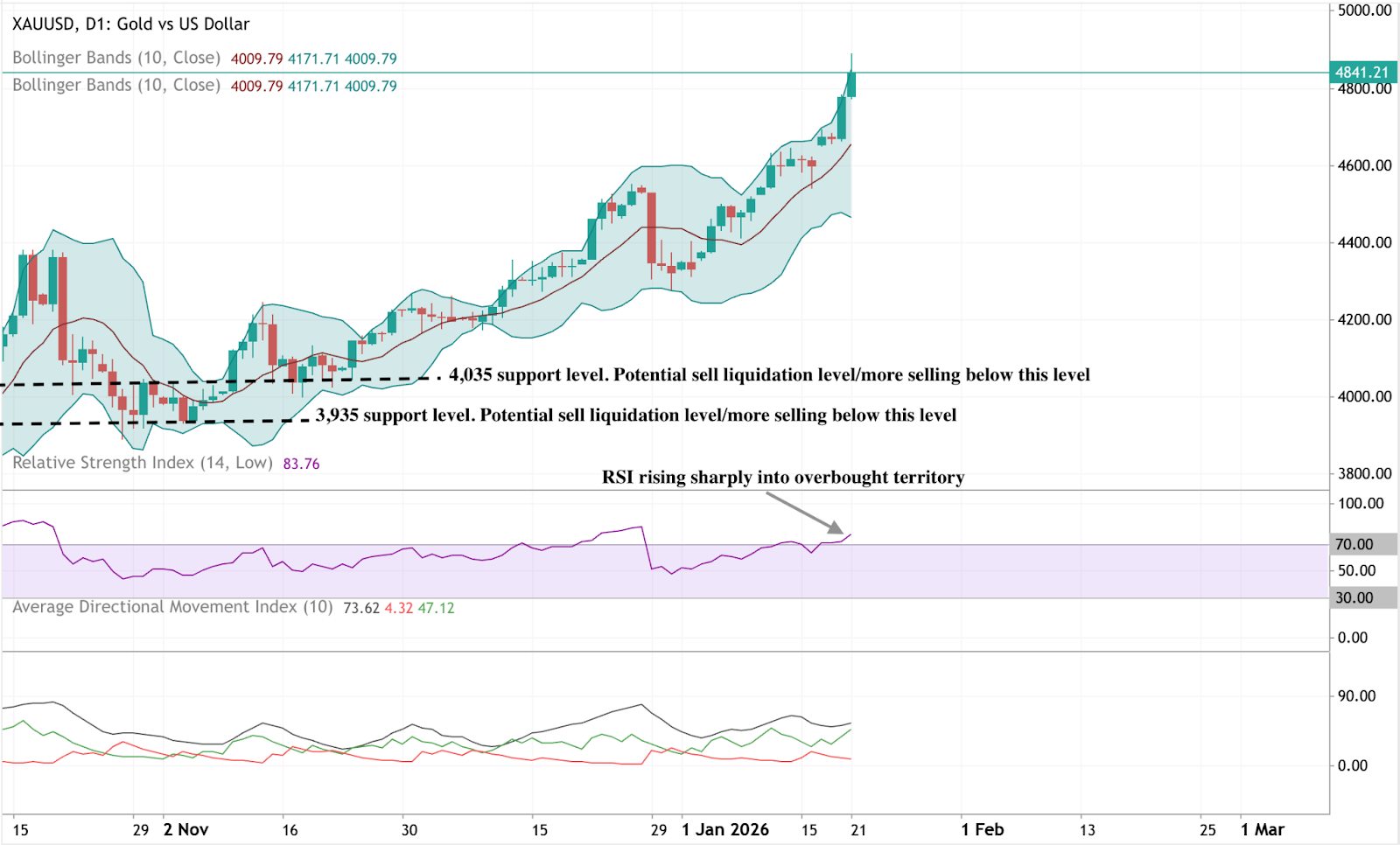
Gold has broken into fresh all-time highs above $4,800, trading well beyond the upper Bollinger Band and signalling an intense momentum phase. Volatility remains elevated, with the bands widely stretched, pointing to sustained directional pressure rather than sideways consolidation.
Momentum indicators are heavily extended. The RSI is overbought across multiple timeframes, with the monthly reading near extreme levels, while an ADX above 30 confirms a strong and mature trend. Overall, price action suggests an active price discovery phase, where powerful trend dynamics coexist with rising exhaustion risk.
Disclaimer:
The information contained on the Deriv Market News is for educational purposes only and is not intended as financial or investment advice. The information may become outdated, and some products or platforms mentioned may no longer be offered. We recommend you do your own research before making any trading decisions.
FAQs
Why did gold break above $4,800 an ounce?
What is the “sell America” trade?
Why didn’t higher interest rates stop gold rising?
Are central banks supporting gold prices?
Could gold still move higher from here?


